
Corydalis erdelii
Corydalis erdelii
Description
Growing requirements
Corydalis erdelii is a distinctive perennial herb belonging to the Poppy family (Papaveraceae). It is primarily known for its delicate structure and its classification as a spring ephemeral, meaning it completes its life cycle within a few weeks in early spring.
The plant originates from the mountainous regions of the Middle East and Western Asia. In these natural habitats, it thrives on well-drained, stony soils where the climate allows for a cold, dormant period during the summer and winter months.
For successful cultivation, it is essential to provide a location with excellent drainage. A gritty, neutral-to-alkaline soil mix is highly recommended to simulate its natural environment. Heavy, moisture-retentive soils often lead to tuber rot.
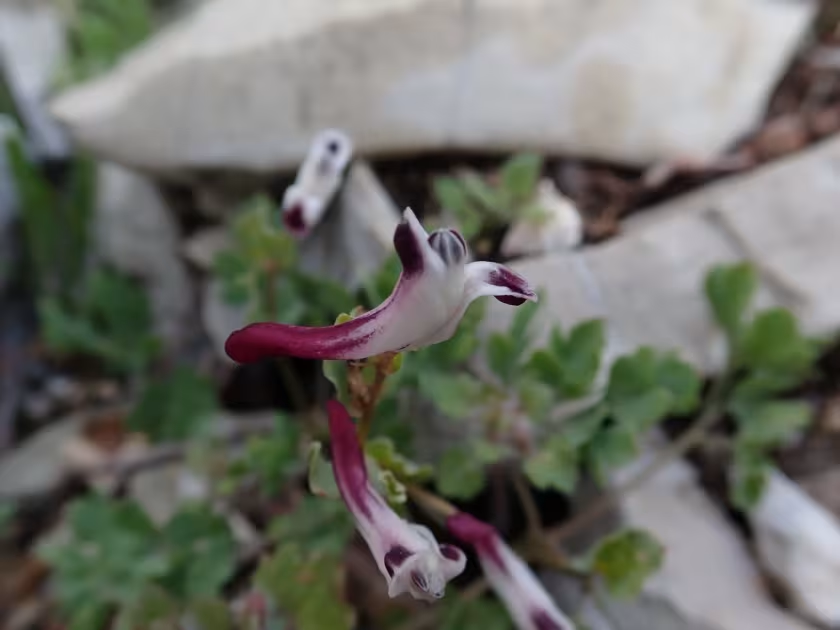
Botanically, C. erdelii is characterized by its tuberous root system, which stores energy during its short growing season. Its foliage is finely divided, and its flowers are uniquely shaped, making it a highly desirable species for rock gardens and specialized alpine collections.
From an agricultural and horticultural perspective, the plant is used mainly for aesthetic purposes. It brings early seasonal color to landscapes where other perennials have not yet begun their growth, making it a valuable asset for early-spring garden displays.
Main diseases and pests
The primary concern for growers is the risk of fungal pathogens, particularly root rot, which occurs when the soil remains too wet for extended periods. This is especially critical during the plant's dormant phase.
Slugs and snails are frequent pests, often consuming the tender foliage during the early weeks of spring growth. This damage can stress the tuber, potentially affecting the plant's vitality and floral production in subsequent seasons.
Soil-dwelling insects, such as wireworms, can occasionally target the tubers. Ensuring that the planting site is clean and free of excessive debris helps in reducing the population of these potential underground pests.
Cultural control, such as maintaining proper spacing and ensuring adequate air circulation around the plants, is the first line of defense against foliage diseases. Careful monitoring during the emergence phase is essential for prompt intervention.
In cases where disease pressure is high, the application of targeted fungicides or molluscicides may be necessary. However, focusing on soil conditions remains the most effective long-term strategy for maintaining a healthy population of Corydalis erdelii.