
Corydalis emanuelii
Corydalis emanuelii
Description
Growing requirements
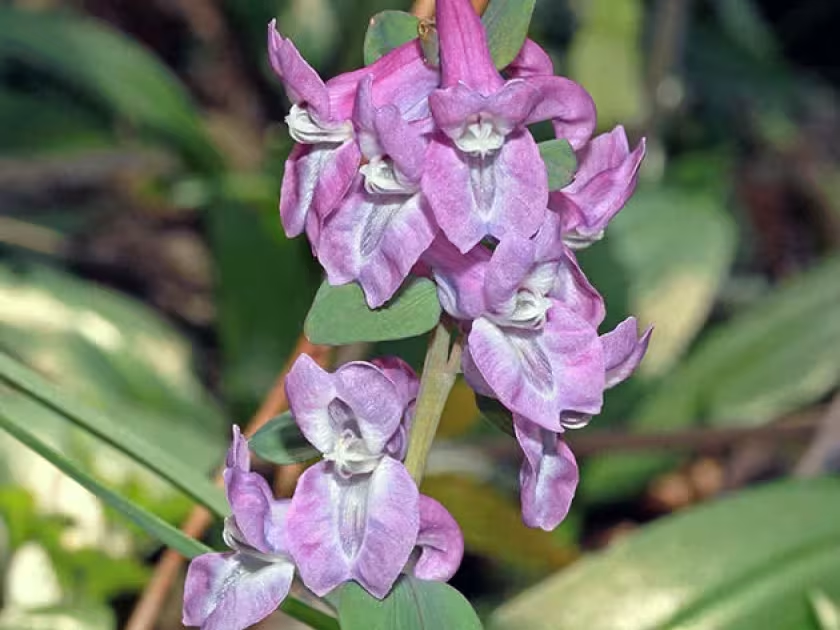
Corydalis emanuelii is a distinct perennial plant within the Papaveraceae family. It is recognized by its tuberous root system and delicate foliage, which evolved to survive in mountainous, high-altitude regions.
The plant requires well-drained, porous soil to thrive, as its tubers are prone to rot in waterlogged conditions. A mix of gritty soil, sand, and organic matter is recommended for container or garden planting.
In terms of climate, it prefers cool and moderate conditions. While it appreciates sunny spots in the morning, protection from intense mid-afternoon heat is essential for the health of the plant.
Agricultural management involves recognizing the dormant phase. Once the plant finishes blooming and the foliage yellows, it enters a rest period that must be respected by reducing irrigation significantly.
This species is highly sought after by collectors of alpine and rock garden plants. Proper spacing is necessary to ensure good air circulation, which helps prevent issues with humidity-related stress.
Main diseases and pests
The primary threats to Corydalis emanuelii involve fungal pathogens, particularly root rot, which is triggered by excessive soil moisture and poor drainage.
Pests such as slugs and snails represent a significant risk, especially in early spring when the tender new shoots are emerging from the soil.
Soil-dwelling insects like wireworms may also cause mechanical damage to the tubers, which can lead to stunted growth or total plant failure.
Effective management includes implementing a strict drainage regime and using physical barriers or organic treatments to manage snail and slug populations.
Regular inspection of the root zone during the dormant season is advisable to ensure that tubers remain firm and free of any decay symptoms.