
Corydalis edulis
Corydalis edulis
Description
Sowing dates
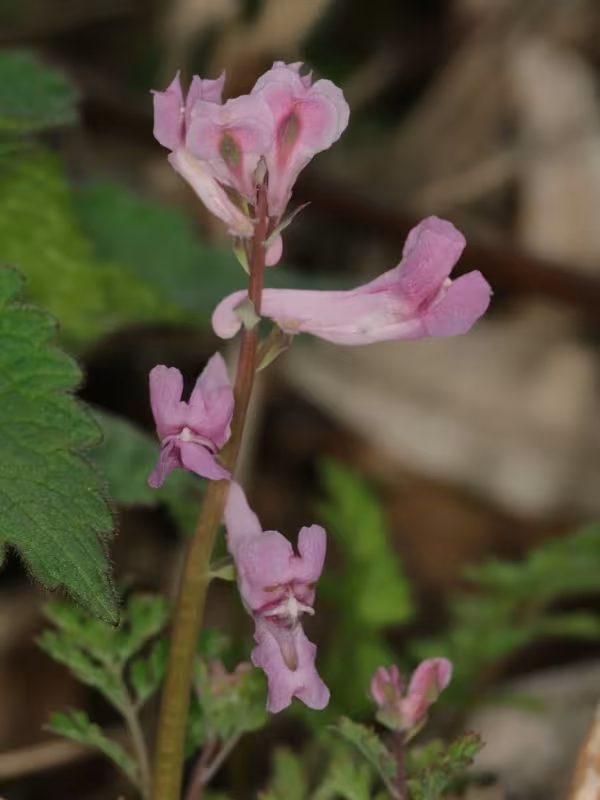
Corydalis edulis is a perennial herbaceous plant belonging to the Papaveraceae family. In its natural habitat, it is native to East Asia, where it has long been valued both as a nutritional resource and a traditional medicinal plant.
For successful propagation, seeds should be sown in the autumn. This allows the seeds to undergo natural stratification during the winter months, which is essential for uniform germination in early spring as soon as the ground warms up.
Vegetative propagation via tubers is a common practice for gardeners. Tubers should be planted in early spring at a shallow depth, ensuring that the soil is loose enough to allow for optimal tuber expansion and root development.
Proper spacing between plants is crucial. Overcrowded conditions can lead to competition for nutrients and moisture, ultimately resulting in smaller tubers and a decreased overall yield of the plantation.
As a spring ephemeral, the plant completes its life cycle quickly before the onset of intense summer heat. Sowing should be timed to capitalize on the cool, moist conditions of the early season to ensure vigorous growth.
Growing requirements
Corydalis edulis requires fertile, well-draining soils rich in organic matter. Sandy loams that can retain sufficient moisture while preventing waterlogging are ideal for maintaining tuber health during the early growth stages.
The plant performs best in partial shade, mimicking the forest floor environments of its origin. Excessive exposure to direct sunlight and high temperatures can cause the plant to enter dormancy prematurely, stunting its development.
Adequate soil moisture is critical during the spring growth flush. Consistent irrigation should be provided to ensure the tubers reach a harvestable size, but the soil must remain well-aerated to prevent fungal infections.
Mulching with organic matter, such as leaf mold or compost, is recommended to replicate natural forest conditions. This helps stabilize soil temperatures, retains essential moisture, and provides a slow-release nutrient source for the developing plants.
Maintenance should involve gentle weeding around the plants to avoid damaging the shallow root system and tubers. Chemical herbicides should be avoided as they may negatively affect tuber quality and soil health.
Main diseases and pests
The primary threats to Corydalis edulis include fungal diseases such as root rot, which thrive in poorly drained or waterlogged soils. Ensuring excellent drainage is the most effective preventative measure against these infections.
Slugs and snails are major pests that can severely damage the tender foliage during the spring. Implementing protective barriers or using biological control methods is advised to maintain plant vigor throughout the season.
Powdery mildew can become a problem in areas with poor air circulation or significant temperature fluctuations. Thinning the plantings appropriately helps increase airflow, significantly reducing the likelihood of disease spread.
Soil-dwelling pests, including wireworms, can damage the tubers. Soil inspection prior to planting and the use of healthy, disease-free planting material are essential steps in maintaining a productive crop.
Given its use as a food source, the application of chemical pesticides is discouraged. Instead, focus on integrated pest management and cultural practices that favor healthy plant growth and natural resistance.
Harvesting
The harvest occurs once the aerial foliage turns yellow and begins to wither, indicating that the plant has entered its dormant phase. During this time, the tubers have reached their peak nutrient and starch content.
Tubers should be lifted carefully from the soil using a garden fork or hand trowel to avoid mechanical damage. Once harvested, they should be cleaned, inspected, and processed quickly to maintain freshness.
For storage, keep the tubers in a cool, dark, and slightly humid environment, such as a root cellar or a refrigerator. This prevents excessive moisture loss and preserves the biological activity of the starch reserves.
In culinary applications, the tubers are appreciated for their specific taste and nutritional density. They can be cooked in soups, stir-fries, or utilized as a nutritious starch component in various dishes.
Sustainable harvesting practices are encouraged by leaving a portion of the crop in the ground to ensure the regeneration of the population for the following season, maintaining long-term sustainability of the garden site.