
Corydalis decumbens
Corydalis decumbens
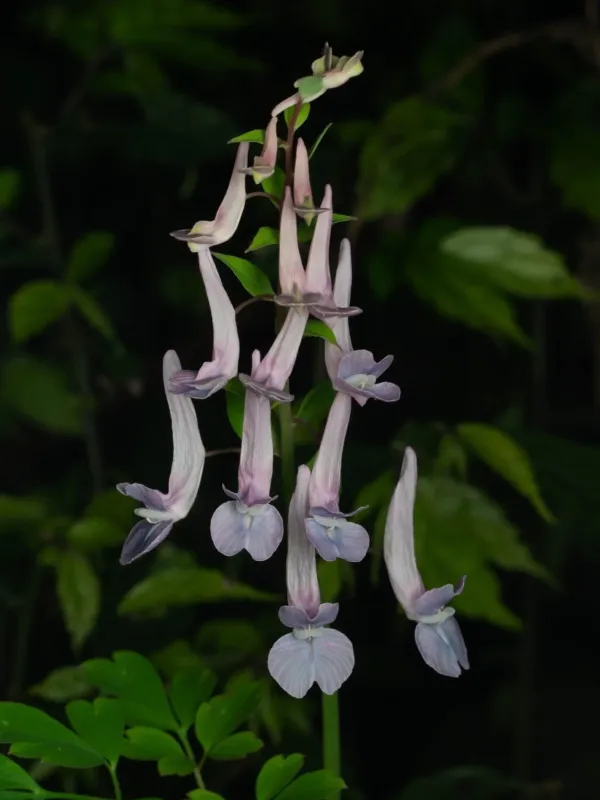
Description
Growing requirements
Corydalis decumbens is a herbaceous perennial plant belonging to the Papaveraceae family. It is native to East Asia, including regions of China and Japan, and is historically valued for its medicinal properties in traditional botanical practices.
The plant thrives in moist, humus-rich woodland soils with excellent drainage. In an agricultural setting, it is best suited for sites with dappled shade, which protects the tuberous roots from overheating and premature moisture loss.
As an ephemeral species, Corydalis decumbens undergoes a rapid growth cycle during the early spring. It produces foliage and flowers quickly after the frost ends and enters a dormant state as the summer heat approaches.
Cultivation success depends on providing adequate organic matter in the soil and ensuring a winter period of cold temperatures, which is essential for breaking the dormancy of the tubers and inducing spring flowering.
Maintaining proper spacing is vital to ensure adequate air circulation around the plants, which reduces the incidence of physiological stress during the brief but intense growing season.
Main diseases and pests
The primary threats to Corydalis decumbens cultivation are fungal pathogens, specifically root rots and damping-off diseases. These are frequently caused by poor soil drainage and waterlogged conditions during the spring thaw.
Pest pressure is mainly exerted by mollusks such as slugs and snails, which can significantly damage young shoots. In some cases, infestations of aphids can occur during periods of unseasonable drought or poor plant vigor.
Effective management includes maintaining a clean field and removing debris that could harbor pests. Drainage improvement remains the single most important agronomic practice for preventing yield loss in these plants.
Producers should prioritize cultural control methods to avoid chemical contamination of the tubers, as the harvest is intended for pharmaceutical use and must meet strict purity standards.
Regular field scouting is recommended during the early growth phase to identify and treat localized pest or disease outbreaks before they spread across the production area.