
Corydalis conorhiza
Corydalis conorhiza
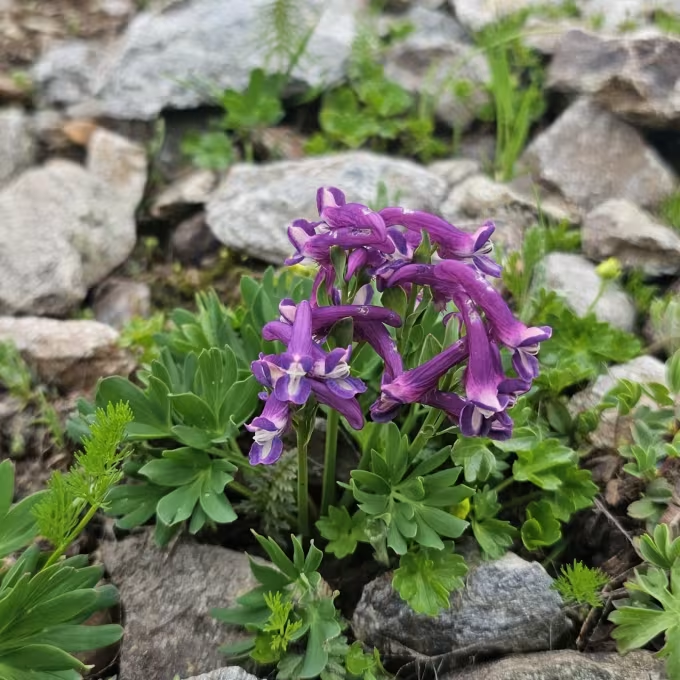
Description
Growing requirements
Corydalis conorhiza belongs to the Papaveraceae family. It is a perennial herbaceous plant native to the alpine and subalpine belts of the Caucasus Mountains, thriving in harsh, high-altitude environments.
The plant requires well-drained, gritty, and humus-rich soil to mimic its natural rocky habitat. Good air circulation and avoiding waterlogging are essential for the health of the tuberous root system.
Climatic requirements involve a cool growing season and cold winter dormancy. It is highly adapted to high-altitude light levels and moderate temperatures, making it sensitive to extreme heat in low-altitude garden settings.
Botanically, it is defined by its conical tuber, which serves as a nutrient storage organ. The foliage is characteristically dissected, and the flowers form dense, elegant racemes that bloom in early spring.
This species is primarily used in alpine gardening and rockery design. Due to its unique ecological needs, it is highly sought after by collectors who aim to recreate high-mountain conditions within a domestic garden space.
Main diseases and pests
The primary threat to Corydalis conorhiza is root rot caused by poor soil drainage and stagnant moisture. Ensuring a slope or raised bed configuration is critical for long-term plant survival.
Slugs and snails can cause significant foliage damage during the spring flush. Monitoring and manual removal or the use of safe molluscicides are standard practices for garden protection.
Rodents often forage on the fleshy tubers, especially during winter months when food sources are scarce. Protective wire mesh cages are recommended for underground protection in areas with high rodent activity.
Summer heat stress is a major risk factor. Providing partial shade or using mineral mulching like stone chips can help keep the soil temperature low, which is vital for the plant's physiological well-being.
Instability in winter snow cover might expose the plants to freeze-thaw cycles, which can be damaging. Applying a light winter mulch or protective cover helps maintain a stable environment during the dormant phase.