
Corydalis cheilanthifolia
Corydalis cheilanthifolia
Description
Sowing dates
Corydalis cheilanthifolia is primarily propagated through seeds or division of the rhizomes. Sowing seeds directly into the garden should be done in late autumn, as the seeds require a period of cold stratification to germinate successfully in the spring.
If sowing in the spring, it is essential to provide artificial stratification by keeping the seeds in a refrigerator at temperatures between 0 and 5 degrees Celsius for several weeks. Seeds should be sown shallowly, about 1–2 centimeters deep, in a moist, light medium.
Division of the rhizomes is best performed during the plant's dormant period, typically in late summer or early autumn. Dividing the clumps allows for expansion and rejuvenates older, overcrowded plants for healthier growth in the following season.
During the germination phase, maintain consistent moisture in the soil, ensuring it never fully dries out. Weed management is crucial during the early stages of seedling growth, as these young plants are quite slow to establish.
In professional cultivation, greenhouse environments with controlled temperatures are preferred. This provides a stable climate that increases the germination rate and results in stronger, more resilient seedlings ready for transplanting.
Growing requirements
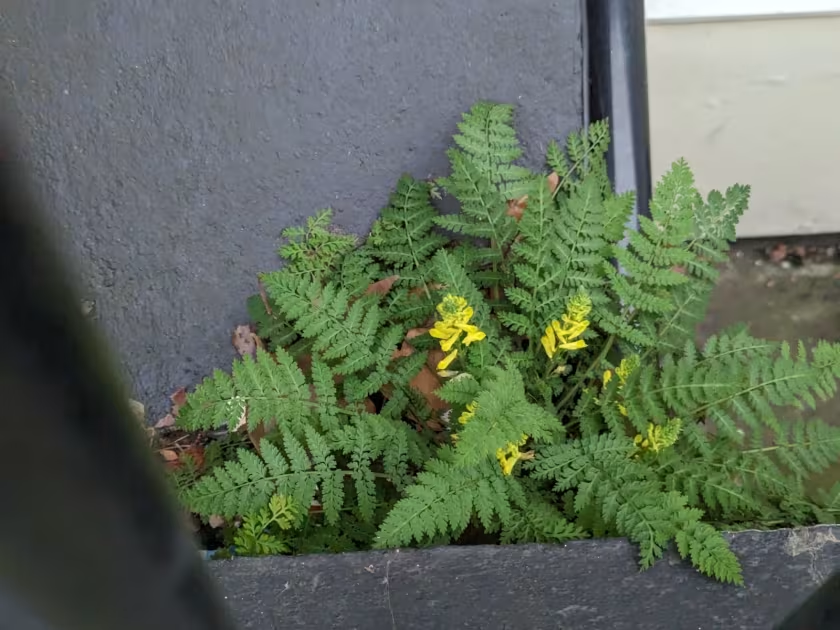
Corydalis cheilanthifolia, a member of the Papaveraceae family, is native to the mountain regions of China. It is highly valued in horticulture for its stunning, fern-like foliage and golden flowers that emerge in spring and early summer.
The plant thrives in partial to full shade, protected from intense direct sunlight, which can easily scorch the delicate leaves. It is an excellent choice for woodland gardens or shaded borders beneath larger shrubs and trees.
Regarding soil, it prefers loose, well-drained, and humus-rich compositions with a slightly acidic to neutral pH. If your garden soil is heavy clay, amending it with sand or fine gravel is necessary to prevent water stagnation.
This species is notably frost-hardy and can withstand diverse climates without winter protection. However, it benefits from being sheltered against strong, drying winds that can cause physical damage to the leaves during the growing season.
Regular watering is required to keep the soil consistently moist but never waterlogged. Because the root system is delicate, overwatering can lead to rapid decay, so proper drainage is the most critical factor in successful cultivation.
Main diseases and pests
The primary threats to Corydalis cheilanthifolia are fungal infections driven by high humidity and poor soil drainage. Root rot is particularly dangerous, as the symptoms are often hidden until the plant shows significant decline.
Slugs and snails are the most common pests, as they are attracted to the soft, fern-like leaves early in the season. Hand-picking or using environment-friendly bait stations is highly recommended for effective management.
Occasionally, aphids may attack the plants during warm, dry spells, potentially stunting growth. If infestations become severe, the application of appropriate systemic insecticides can help manage the population while protecting the foliage.
Poor aeration in dense plantings can lead to outbreaks of powdery mildew. Ensuring adequate spacing between plants allows for better air circulation and reduces the likelihood of these pathogens developing on the leaf surfaces.
Preventive maintenance, such as removing dead organic matter in autumn, is key to maintaining a healthy patch. Keeping the site clean reduces the places where pathogens and pests can overwinter, ensuring a vigorous start to the spring season.