
Corydalis cava
Corydalis cava
Description
Growing requirements
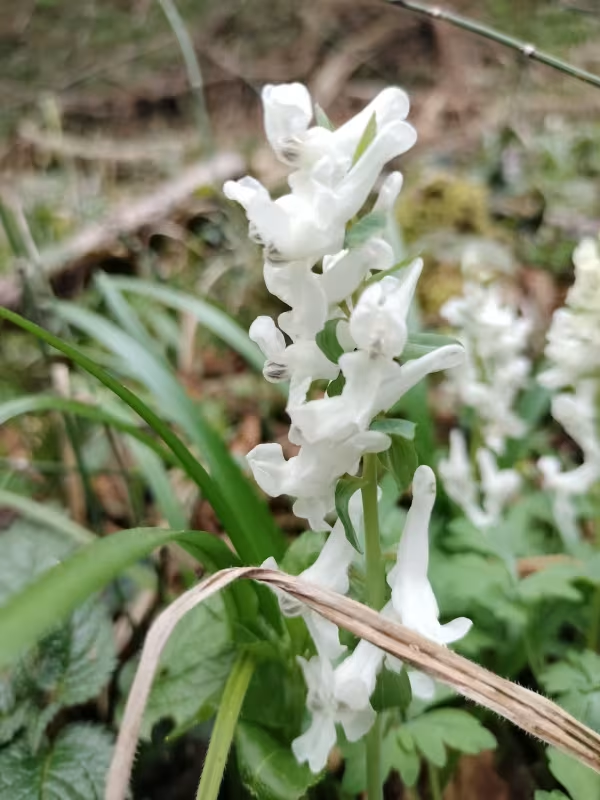
Corydalis cava, commonly known as hollowroot, is a perennial herbaceous plant belonging to the Papaveraceae family. It is a classic spring ephemeral native to the temperate forests of Europe and Western Asia, highly prized for its early blooming cycle.
The culture thrives in fertile, loamy soils rich in organic matter. A neutral to slightly alkaline soil pH is ideal for promoting healthy tuber development and vibrant flowering during the early spring season.
Regarding site selection, it requires partial shade or dappled light. Planting under deciduous trees is the most successful strategy, as it provides cooling shade during the summer dormancy period while allowing sufficient light for growth in spring.
Agrotechnical maintenance is relatively simple due to the plant's ephemeral nature. Incorporating compost or leaf mold into the soil in autumn ensures the tuber has sufficient energy reserves for the following spring without the need for synthetic fertilizers.
Propagation is primarily achieved through division of tuber clusters while the plant is dormant. Care must be taken during transplantation, as the tubers are hollow and brittle, making them susceptible to physical damage if handled improperly.
Main diseases and pests
The primary threats to Corydalis cava include fungal diseases such as powdery mildew, which can infest the foliage during periods of high humidity and poor air circulation in late spring.
Slugs and snails are the most significant pests, often feeding on the tender young shoots as they emerge from the soil. Implementing mechanical barriers or organic molluscicides is essential for protecting the plant during its active growth phase.
Root rot, caused by pathogens like Fusarium, occurs in poorly drained soils. Once established, this rot can destroy the hollow tuber rapidly, emphasizing the necessity of a well-draining substrate.
Small rodents can pose a risk to dormant tubers in the soil, especially in regions with mild winters. Using protective wire mesh or natural repellents can help mitigate losses from digging animals.
To ensure long-term health, it is vital to avoid overcrowding plants. Adequate spacing allows for proper air movement around the foliage, significantly reducing the probability of viral and fungal pathogen outbreaks.