
Caucasian corydalis
Corydalis caucasica
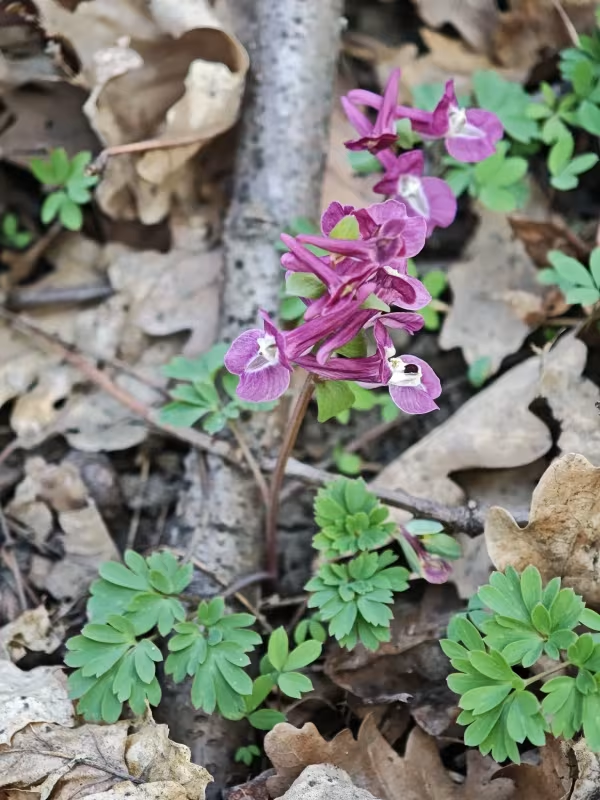
Description
Sowing dates
The Caucasian corydalis (Corydalis caucasica) is a member of the Papaveraceae family and functions as a classic forest ephemeral. Propagation by seed requires immediate sowing after maturation, as the seeds lose viability quickly if allowed to dry out.
The best time to sow is in late June or July, immediately after the seed pods have dried on the stems. Gardeners should note that plants grown from seed will usually require three to four years to reach their first flowering stage.
Vegetative propagation is achieved through the division of tubers during the summer dormancy period. This method is considered more reliable for maintaining specific traits and ensuring that the plants bloom in the upcoming spring season.
When planting, the tubers should be set at a depth of 5 to 10 centimeters. Maintaining a spacing of 10 to 15 centimeters between plants is essential to prevent overcrowding and to ensure proper nutrient circulation.
A loose, well-draining soil rich in leaf mold is ideal for successful establishment. Mimicking a forest floor environment with a layer of organic mulch helps retain the necessary soil structure and health.
Growing requirements
This species thrives in high light conditions during its early spring growth phase. Planting them under deciduous trees or shrubs allows them to absorb full sun before the tree canopy fully leafs out, which is vital for their development.
The Caucasian corydalis prefers neutral to slightly acidic soil conditions with excellent drainage. Avoiding stagnant water is critical, as the tubers are highly susceptible to rot if left in saturated soil for extended periods.
The plant is remarkably winter-hardy, originating from the mountainous regions of the Caucasus. It is well-adapted to fluctuating seasonal temperatures and does not require additional winter protection in typical garden settings.
The water regime must follow the plant's natural cycle: moist soil during the spring growing season and a dry environment during the summer dormancy. The summer rest period is the most important time for the tuber to accumulate energy for the next cycle.
Fertilization should be kept to a minimum, focusing on mature organic compost applied in the autumn. Excessive use of nitrogen-based fertilizers can lead to weak, succulent foliage and reduce the overall lifespan of the tubers.
Main diseases and pests
Fungal diseases are the primary threat, especially in damp and warm spring conditions. Root rot and various tuber diseases often arise in poorly drained sites or where there is insufficient soil aeration.
Soil-dwelling pests, including wireworms and white grubs, can cause significant damage by feeding on the tubers. Maintaining clean soil and practicing good garden hygiene are effective ways to mitigate these risks.
Slugs and snails can cause cosmetic and physiological damage by grazing on the tender young leaves during early spring. Using physical barriers or bait traps is standard procedure for protecting the foliage in vulnerable areas.
Improper storage of lifted tubers during the dormant phase often leads to the development of mold or dehydration. Always ensure tubers are stored in a cool, dry, and well-ventilated space until they are replanted.
Implementing regular monitoring and removing any decaying or infected tubers immediately will help prevent the spread of diseases throughout the plant population.