
Begonia foliosa
Begonia foliosa Kunth
Description
Growing requirements
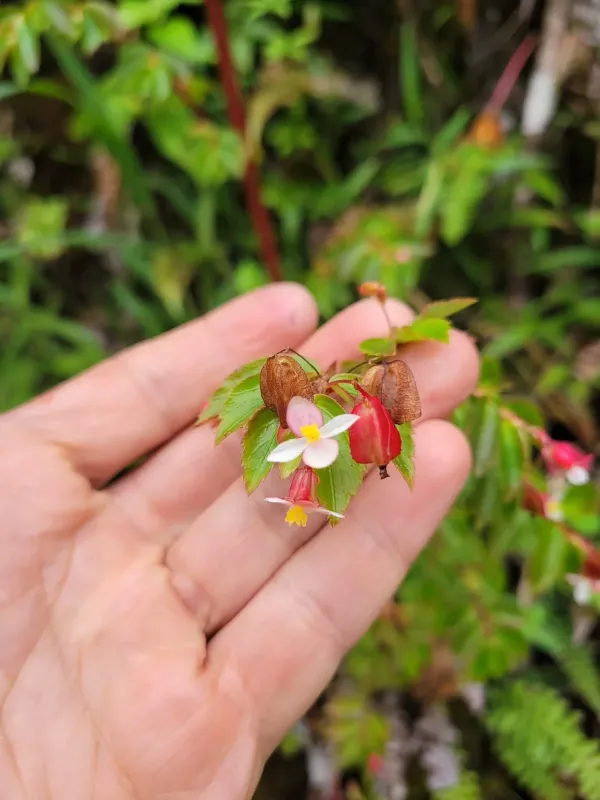
Begonia foliosa is a species of flowering plant in the family Begoniaceae, native to the tropical forests of Colombia and Venezuela. It is characterized by its delicate, fern-like foliage and slender, branching stems that provide a high ornamental value.
This species thrives in high humidity conditions, ideally between 60% and 80%, making it suitable for greenhouses or terrariums. It prefers a temperature range of 18–24°C (64–75°F) and requires protection from freezing temperatures and cold drafts.
The substrate must be well-draining, airy, and slightly acidic, with a pH between 5.5 and 6.5. A mixture composed of peat moss, perlite, and high-quality potting soil is recommended to maintain moisture without risking root waterlogging.
Light requirements for Begonia foliosa are moderate; it prefers bright, indirect sunlight. Direct sunlight can cause leaf scorching, while insufficient light leads to spindly growth and loss of the plant's characteristic dense foliage structure.
In practice, this plant is primarily used as an indoor ornamental crop, suitable for pots, hanging baskets, or tropical-themed interior displays. Its ability to maintain a compact habit with regular pruning makes it a popular choice for collectors.
Main diseases and pests
The primary threats to Begonia foliosa include fungal infections such as powdery mildew and grey mold, which typically occur when air circulation is poor and leaves remain wet for extended periods. Proper ventilation is essential for disease prevention.
Pests like spider mites and whiteflies are common in dry environments. If an infestation occurs, specialized acaricides or horticultural oils should be used to manage the population before it significantly impairs the plant's photosynthetic capacity.
Root rot is a critical threat caused by overwatering or compacted soil. Once the root system is compromised, the plant often struggles to recover, making prevention through strict irrigation control and proper drainage a priority for growers.
Regular sanitation, including the removal of yellowing leaves and dead stems, helps prevent the accumulation of pathogens. Sterilizing tools before pruning is a standard horticultural practice to avoid cross-contamination between different plants.
Integrated pest management strategies involve monitoring the plant daily for early signs of stress or pest activity. Early intervention with biological controls or low-toxicity treatments effectively maintains the health of this delicate ornamental crop.