
Coriaria thymifolia
Coriaria thymifolia
Description
Growing requirements
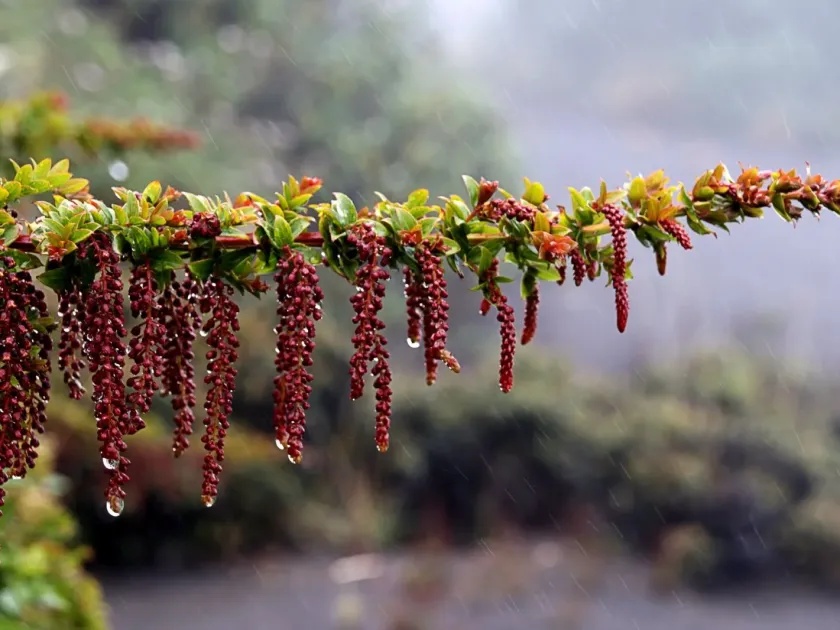
Coriaria thymifolia is a unique shrub belonging to the Coriariaceae family, native to the mountainous regions of Central and South America. It is highly valued for its elegant, thyme-like foliage and slender, spreading stems.
The plant thrives in cool, humid environments typical of its highland origins. When cultivating this species, it is essential to mimic these conditions by providing a location with moderate temperatures and protection from harsh, direct afternoon sun.
Soil requirements are strict: the medium must be well-drained and slightly acidic to neutral. Heavy clay soils should be amended with organic matter and gravel to ensure the root system is not subjected to excessive moisture, which can be fatal.
Regular maintenance involves keeping the soil consistently moist but never waterlogged. During the growing season, a balanced, light fertilizer application supports healthy foliage production without promoting weak, succulent growth.
Pruning should be performed with caution to maintain the natural, graceful shape of the shrub. Removing dead or damaged wood in early spring encourages denser branching and improves the overall aesthetic of the plant in the landscape.
Main diseases and pests
Coriaria thymifolia is susceptible to various fungal pathogens if airflow is restricted. Powdery mildew can appear on the leaves in humid, stagnant conditions, necessitating the use of appropriate fungicides and better spacing between plants.
Aphids are the most common insect pests, particularly affecting young, tender shoots. These can be managed with insecticidal soaps or by encouraging natural predators, such as ladybugs, into the garden environment.
Root rot remains the most significant threat to the survival of this shrub. It is often triggered by poor soil drainage or excessive watering during the dormant period, requiring constant monitoring of the soil moisture levels.
Scale insects can occasionally infest the stems, weakening the plant by sap-sucking. Their presence can be identified by the formation of small, waxy bumps along the branches, which should be physically removed or treated with horticultural oils.
To ensure long-term health, gardeners must prioritize cleanliness in the growing area. Removing fallen leaves and debris around the base of the plant significantly reduces the risk of overwintering pests and fungal spores.