
Himalayan Coriaria
Coriaria nepalensis
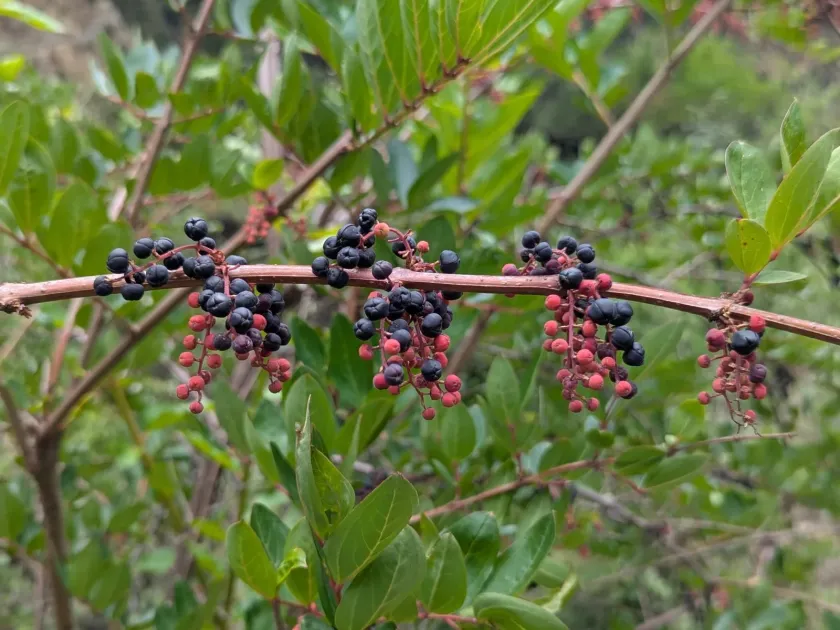
Description
Growing requirements
Coriaria nepalensis, commonly known as Himalayan Coriaria, is a deciduous or semi-evergreen shrub that belongs to the unique family Coriariaceae. It is highly valued in horticulture for its elegant foliage and distinct arching habit.
The plant originates from the Himalayan range, spanning regions from Pakistan to China. It thrives in temperate, mountainous climates where it can benefit from cool nights and moist, well-drained atmospheric conditions.
Optimal growth requires fertile, slightly acidic to neutral soils with excellent drainage properties. It is crucial to avoid heavy clay soils that may trap moisture, as the roots are susceptible to decay.
For best results, choose a planting location with dappled shade or indirect sunlight. While the plant can tolerate some morning sun, protection from the harsh afternoon heat is recommended to prevent leaf scorch.
Cultural maintenance involves consistent moisture during the growing season and light mulching to maintain soil temperature. It is a slow-growing shrub that requires patience for establishment.
Main diseases and pests
A significant agronomic note regarding this species is the presence of the toxic glycoside tutin (coriartin) in its fruits and seeds, necessitating careful placement in family-oriented garden designs.
Common pests include aphids and spider mites, which can proliferate during dry spells. Regular inspection of the underside of leaves is recommended for early detection.
Fungal issues, such as root rot, are typically associated with poor drainage. Implementing a proper planting depth and ensuring soil aeration are the best preventative measures.
In cooler climates, frost can damage young branches. Protecting the crown of the plant with straw or horticultural fleece during the first few winters ensures better survival rates.
Sanitation practices, including the removal of dead or crossing branches in late winter, help maintain plant vigor and prevent the onset of localized infections within the dense canopy.