
Coriaria japonica
Coriaria japonica
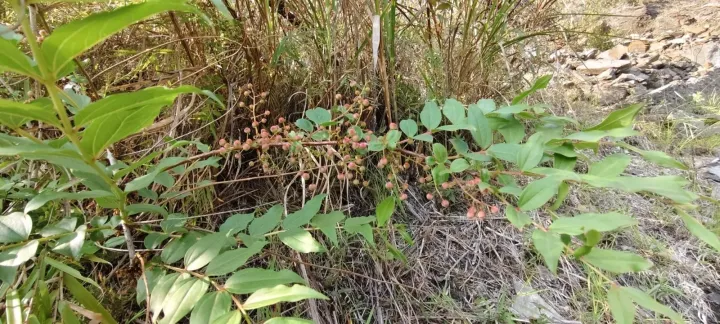
Description
Growing requirements
Coriaria japonica is a deciduous shrub belonging to the Coriariaceae family. Native to Japan, this plant is primarily valued for its architectural growth habit and unique, berry-like fruits, which are actually fleshy petals.
The plant thrives in temperate climates, requiring a sheltered position with dappled shade. It is not fully hardy in colder regions and often requires protection during harsh winter months to prevent damage to the delicate stems.
Soil requirements involve well-draining, nutrient-rich loams. It does not tolerate waterlogging, so it is essential to plant it in a site with good natural drainage or to amend heavy soils with organic matter and grit.
Cultivation practices focus on maintaining consistent soil moisture. During the active growing season, regular watering is necessary, but the soil should be allowed to dry slightly between irrigation events to prevent root stress.
Due to the presence of potent toxins throughout the plant, it is strictly an ornamental species. It is widely used in specialized landscapes and botanical collections rather than in standard agricultural or food production systems.
Main diseases and pests
Common issues include fungal pathogens that manifest as leaf spots or stem decay, particularly in high-humidity environments. Improving air circulation around the plant is the best preventative measure.
Pests such as aphids and spider mites can infest the foliage, especially in warmer or sheltered locations. Keeping the plant vigorous through proper nutrition and hydration generally helps it resist minor infestations.