
Coriaria
Coriaria
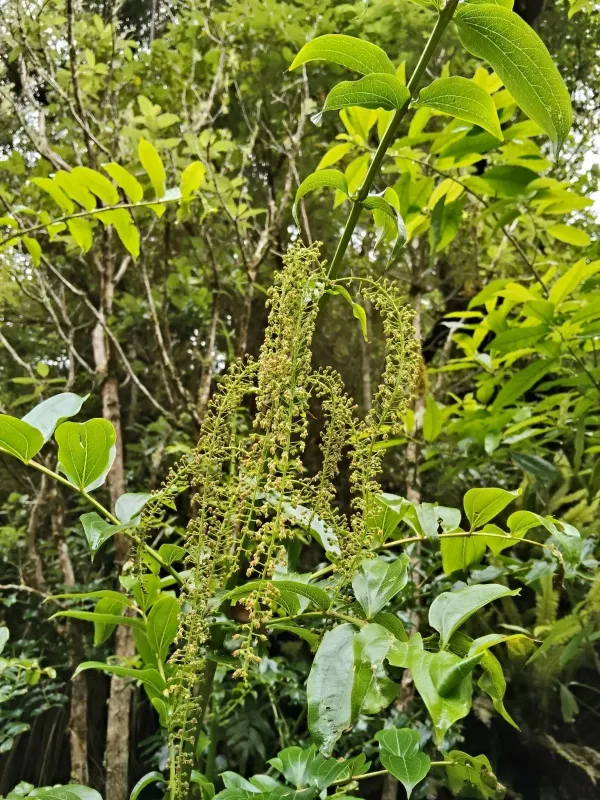
Description
Growing requirements
Coriaria is a genus of deciduous or evergreen shrubs and subshrubs belonging to the Coriariaceae family. Native to regions spanning the Mediterranean, Asia, and New Zealand, these plants are known for their unique adaptability and specialized biological features.
A key botanical feature of the genus is its symbiotic relationship with nitrogen-fixing bacteria in the root nodules. This adaptation allows various species of Coriaria to thrive in nutrient-poor, rocky, or eroded soils, making them highly effective for soil stabilization and environmental restoration projects.
For successful cultivation, Coriaria requires well-drained, fertile, or loamy soil. It prefers sunny to semi-shaded locations. A critical requirement is ensuring proper drainage, as the roots are highly susceptible to rot if water stagnation occurs, especially during the dormant winter period.
Agrotechnical maintenance involves regular irrigation during prolonged dry spells and the application of mulch to preserve soil moisture and regulate ground temperature. Pruning is essential for maintaining the desired shape and promoting vigorous growth, typically performed in late winter or early spring.
Regarding its utility, Coriaria is primarily used in landscaping for its graceful foliage and ornamental berries. Historically, some species were utilized for their high tannin content in the leather industry, although this practice has significantly declined due to the toxic nature of the plants.
Main diseases and pests
The primary threats to Coriaria include fungal diseases such as powdery mildew and various forms of root rot. These issues are most prevalent in areas with high humidity or poor soil aeration. Improving air circulation through thinning of the canopy is a recommended preventive measure.
Pest issues often involve sap-sucking insects like aphids and spider mites, which can cause leaf curling and decreased plant vigor. Integrated pest management strategies, including the use of horticultural soaps or systemic insecticides, are recommended if infestation levels exceed economic thresholds.