
Coriaria myrtifolia
Coriaria myrtifolia
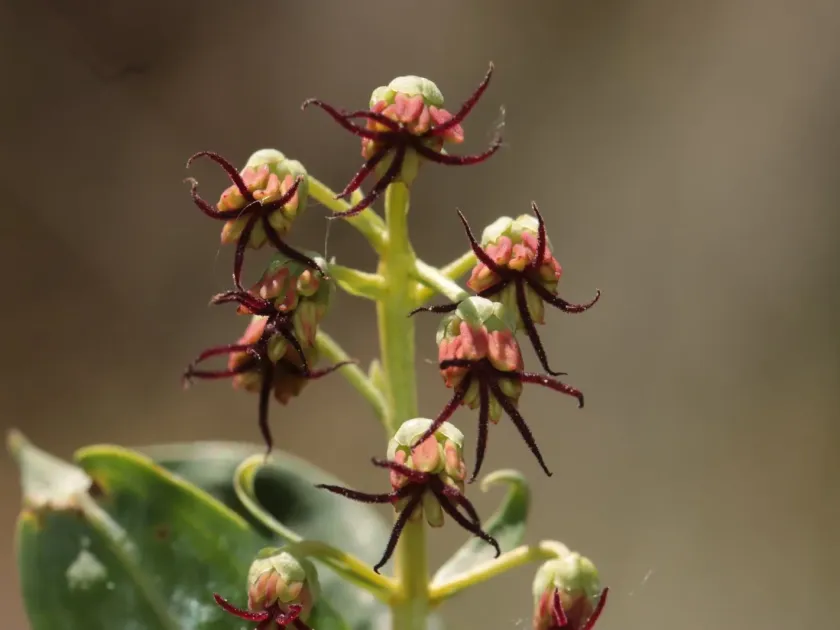
Description
Growing requirements
Coriaria myrtifolia is a deciduous shrub species belonging to the Coriariaceae family. Native to the Mediterranean region, it thrives in temperate climates characterized by mild winters and moderate annual rainfall patterns.
This shrub typically inhabits rocky slopes, forest edges, and riparian zones. It is highly valued for its ability to stabilize soil on slopes due to its extensive root system and its innate resilience to varied ecological conditions.
The plant requires well-drained, neutral, or slightly acidic soils for optimal development. While it can adapt to nutrient-poor substrates, it benefits from the presence of nitrogen-fixing microorganisms that colonize its root nodules, enhancing its growth.
Cultivation requires exposure to direct sunlight or light shade. It is not tolerant of prolonged frost, which dictates its regional distribution and makes it a niche crop suited primarily to coastal or warm inland microclimates.
Standard horticultural practice involves maintaining moderate soil moisture and periodic pruning to encourage dense vegetative growth. Due to the inherent toxicity of the plant tissue, all handling should be performed with appropriate safety precautions.
Yield
The primary economic value of Coriaria myrtifolia lies in its high tannin content. The leaves and stems are traditionally harvested for the tanning industry, serving as an organic source of chemicals for leather processing.
Yield efficiency is directly linked to the age of the plantation and the frequency of harvesting. Implementing a rotation of pruning cycles ensures a continuous supply of high-quality biomass rich in tannins throughout the growing season.
Beyond its industrial application, the shrub is used in landscaping for decorative purposes. Its myrtle-like leaves and unique berry-like structures add significant aesthetic value to xeriscape and Mediterranean-style garden designs.
Post-harvest processing involves rapid drying of the vegetative material to preserve chemical potency. Efficient drying techniques are crucial to prevent the degradation of bioactive compounds before they are extracted for industrial use.
Proper management of the crop density allows for a higher yield per hectare while minimizing competition for light and nutrients, ultimately resulting in a more sustainable and productive agricultural system.
Main diseases and pests
Coriaria myrtifolia is naturally resistant to many common plant diseases due to the presence of secondary metabolites, including coriamyrtin, which acts as a deterrent against various pathogens and herbivores.
However, environmental stress, such as waterlogging or high humidity, can predispose the plant to fungal infections like powdery mildew. Maintaining adequate spacing between plants is the most effective preventative measure against such issues.
Insect pests, primarily aphids, may occasionally attack the tender new growth during the spring season. Integrated pest management strategies are recommended to keep populations below economic injury levels without harming local biodiversity.
Cold damage remains the most significant threat to the plant's health. Winter temperatures below the plant's tolerance threshold can cause significant tissue death, necessitating extensive pruning and a slow recovery period in the following season.
Due to the plant's toxic properties, chemical pest control must be approached with extreme caution to avoid disrupting the local ecosystem. Relying on preventative agricultural practices is the preferred method for maintaining plant health.