
Coriaria sarmentosa
Coriaria sarmentosa
Description
Growing requirements
Coriaria sarmentosa, commonly known as tutu, is a perennial shrub belonging to the family Coriariaceae. It is native to New Zealand, where it is found in diverse habitats, often colonizing disturbed sites or forest edges due to its hardy nature.
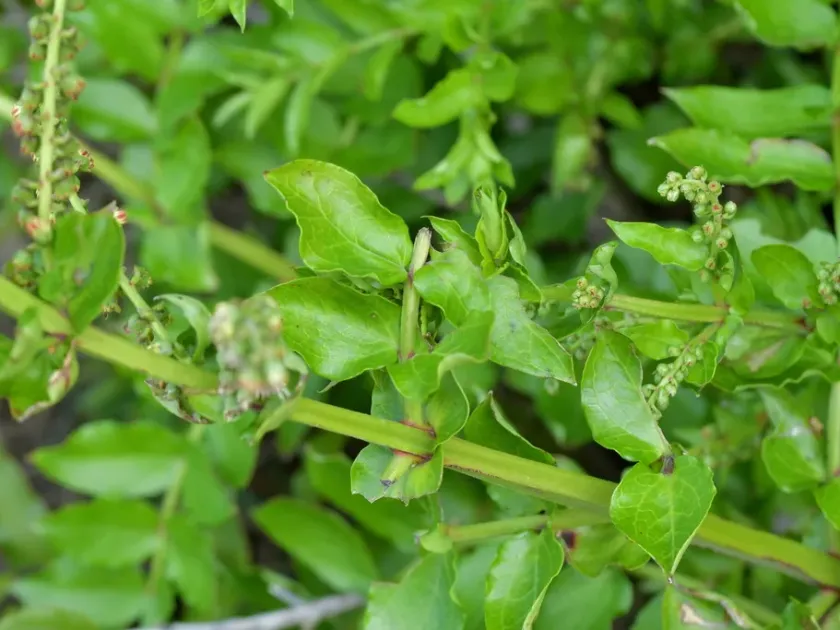
The plant features long, arching, square-shaped stems and opposite leaves that are simple and entire. It is a fast-growing species that can provide significant biomass, often displaying small, inconspicuous flowers followed by succulent, fruit-like structures that are highly toxic.
In terms of cultivation, it requires well-drained, moist soil rich in organic matter. It thrives in temperate environments and prefers a site with partial shade, though it can tolerate full sun if moisture levels are sufficiently maintained throughout the growing season.
Climatic requirements involve protection from severe frost, which can damage the soft, growing tips. Adequate wind protection is also advised, as the long stems can be prone to breakage under high-velocity winds if not properly supported or established in a sheltered location.
Management of this crop requires caution due to its systemic toxicity. It contains a neurotoxin called tutin, which can be fatal if ingested. It is primarily studied for its phytochemical properties rather than agricultural food production, necessitating strict perimeter controls.
Main diseases and pests
The plant is susceptible to fungal root rots, particularly when cultivated in poorly drained soils. The development of Phytophthora or Pythium species is a major threat during periods of excessive rainfall, requiring careful management of drainage channels.
Leaf-feeding insects, including certain species of caterpillars, can cause significant defoliation. Regular monitoring is essential to detect early infestations before they progress to a level that requires chemical intervention, considering the plant's sensitivity.
Powdery mildew is a common foliar problem, especially in dense plantings where air circulation is restricted. Pruning practices should focus on maintaining open architecture to allow sunlight and air to reach the inner parts of the shrub, reducing humidity levels.
Sucking pests like aphids may facilitate the transmission of viral pathogens. If viral symptoms such as mosaic patterns on leaves are detected, the infected plants must be rogued out and destroyed immediately to prevent the spread to healthy individuals.
Chemical control programs must be meticulously planned. Because the plant naturally accumulates toxins, any application of pesticides requires professional handling to avoid unexpected reactions or synergistic effects that could compromise the health of the plants or the surrounding environment.