
Coriaria terminalis
Coriaria terminalis
Description
Growing requirements
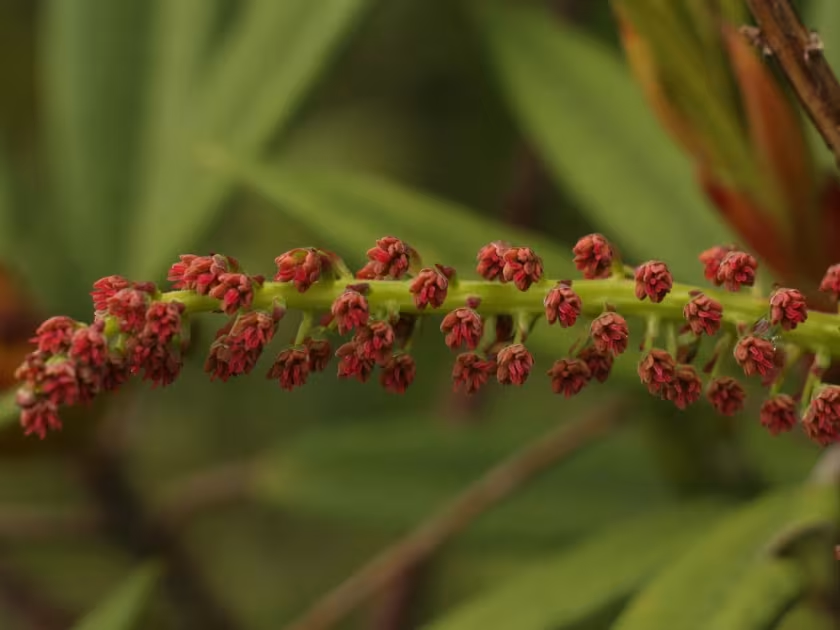
Coriaria terminalis is a distinctive species within the Coriariaceae family, native to the mountainous regions of the Himalayas and Western China. It is highly valued in ornamental horticulture for its unique, berry-like fruits.
The plant requires well-drained, fertile soil with a neutral to slightly acidic pH. It thrives in locations that provide partial shade, as intense direct sunlight can scorch the foliage during the peak of summer.
Cultivation success depends heavily on proper water management. While it prefers moist soil, it is intolerant of waterlogged conditions, which can quickly lead to root rot in poorly draining garden beds.
In terms of climate, Coriaria terminalis is best suited for temperate zones. It needs protection from severe frost, so in colder climates, it is often grown in sheltered positions near walls or provided with winter mulch.
Propagation is generally performed through root cuttings or division. Maintenance is relatively simple, requiring only occasional pruning to remove dead or weak branches and to maintain a desirable shape.
Main diseases and pests
One of the primary concerns when managing this crop is the presence of toxic compounds in its tissues. Gardeners should exercise caution and ensure that plant matter is not ingested, as it poses a toxicity risk.
Fungal diseases are the most common issue, particularly in humid or stagnant air environments. Good garden hygiene, such as removing fallen leaves and pruning to increase airflow, is essential for prevention.
Aphids and spider mites are potential pests that can affect plant vitality. Early detection through regular inspections allows for effective management using mild horticultural soaps or essential oils.
Root rot, often caused by the pathogen Phytophthora or excessive moisture, can be fatal. Ensuring excellent drainage during the initial planting phase is the most effective preventative measure against this threat.
By monitoring for these common issues and maintaining a balanced nutrient program, the plant can remain healthy and productive in the landscape. Attention to soil aeration remains the most critical factor for longevity.