
Commicarpus pentandrus
Commicarpus pentandrus
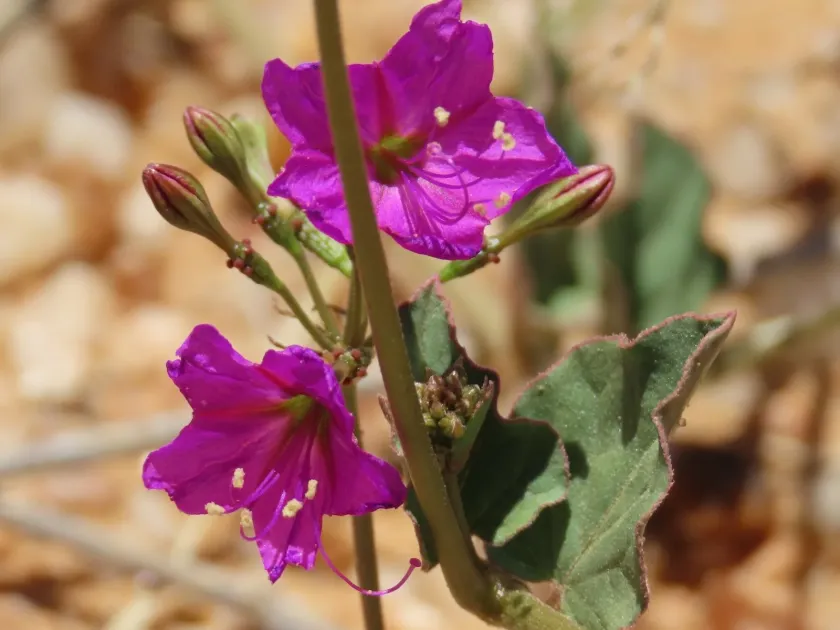
Description
Sowing dates
Commicarpus pentandrus, a member of the Nyctaginaceae family, is a drought-tolerant perennial herb adapted to arid and semi-arid environments. Sowing typically coincides with the onset of the rainy season to ensure optimal germination and seedling establishment.
The seeds require consistent temperatures between 20 and 25 degrees Celsius to trigger biological growth mechanisms. In regions with distinct dry seasons, irrigation may be necessary during the first few weeks after sowing to support the young plants.
Seeds should be sown at a shallow depth of approximately 1-2 centimeters. Deeper sowing can inhibit the emergence of small seedlings, which lack the energy reserves to push through thicker soil layers.
Row planting with spacing of about 50 centimeters is recommended for large-scale production. This arrangement facilitates mechanical weeding and ensures that each plant receives adequate access to soil nutrients and moisture.
Scarification of seeds before planting is a recommended practice to overcome natural dormancy and improve the overall emergence rate. High-quality, healthy seeds are vital for creating a uniform stand in the field.
Growing requirements
The crop performs best in well-drained, sandy, or rocky soils. It is highly susceptible to root diseases caused by waterlogging, so selecting an site with good drainage is the most critical factor for successful cultivation.
Commicarpus pentandrus is well-known for its impressive drought tolerance. It thrives in soils with a neutral to slightly alkaline pH and can withstand harsh conditions that would kill more sensitive agricultural crops.
Full sun exposure is essential for photosynthesis and energy production. Any degree of shading often leads to etiolation, where the plant develops weak, spindly stems that lack the structural integrity required for biomass production.
While the plant does not require high levels of chemical inputs, a balanced fertilizer application during the early vegetative stage can boost initial growth rates. Nitrogen should be used moderately to prevent excessive succulent growth.
Maintaining air circulation around the plants is important to minimize humidity around the foliage. This prevents the development of powdery mildew and other fungal issues often associated with stagnant air.
Yield
The primary agricultural use of this plant is as a source of forage for livestock in arid regions. The green biomass provides essential nutrients, especially during the dry periods when other forage sources are limited.
Yield capacity depends heavily on water availability and soil fertility. With optimal management and seasonal rainfall, the crop can provide a consistent supply of nutritious forage for goats and sheep.
The plant also possesses medicinal properties used in traditional practices. Compounds found in the leaves and roots are often studied for their anti-inflammatory and antioxidant activities, potentially adding value to the harvest.
Productivity is highest before the flowering phase begins. Harvesters should aim to cut the biomass when the plant is in its peak vegetative state to capture the maximum nutritional value before energy is diverted to seed production.
By preventing soil erosion, this crop acts as an excellent land stabilizer. It is frequently employed in restoration projects to reclaim degraded pastures and protect soil structure against wind and water erosion.
Main diseases and pests
Fungal root pathogens represent the most significant threat to the crop, particularly under conditions of excessive moisture. Proper soil management and crop rotation are the best defense against these silent killers.
Pests like aphids and root-eating beetle larvae can cause considerable damage if not monitored. Biological control agents, such as predatory insects, are often preferred to maintain an eco-friendly farming environment.
Viral infections transmitted by sap-sucking insects can severely stunt growth. Field hygiene, including the removal of nearby weed species that act as viral hosts, is crucial for maintaining the health of the crop.
Improper post-harvest drying is a common cause of total crop loss. Without sufficient airflow and low moisture content, harvested biomass quickly becomes moldy and toxic to livestock.
Early identification of pest outbreaks through regular scouting allows for targeted interventions. This preventive approach is much more effective than relying on broad-spectrum chemicals after the infection has taken hold.
Harvesting
Harvesting is performed by manual or mechanical cutting when the plant reaches its maximum biomass potential. Stubble should be left at a height of approximately 5-10 centimeters to encourage regrowth for subsequent cuts.
Seeds are harvested once the fruits demonstrate maturity through their color and texture changes. After collection, they must be cleaned of debris and stored in cool, dry conditions to maintain viability for the following season.
Root harvesting for medicinal purposes requires careful digging to avoid damaging the taproot. This is typically done at the end of the growth cycle when the plant has stored most of its metabolites in its underground parts.
After the harvest is complete, it is vital to clear the field of dead plant matter. This reduces the risk of pathogen buildup and sets the stage for a clean, successful start to the next growing season.
Final storage of the produce requires a facility with low humidity and high ventilation. These conditions ensure that the nutrient content of the forage remains stable throughout the storage period until it is required for feeding.