
Commicarpus decipiens
Commicarpus decipiens
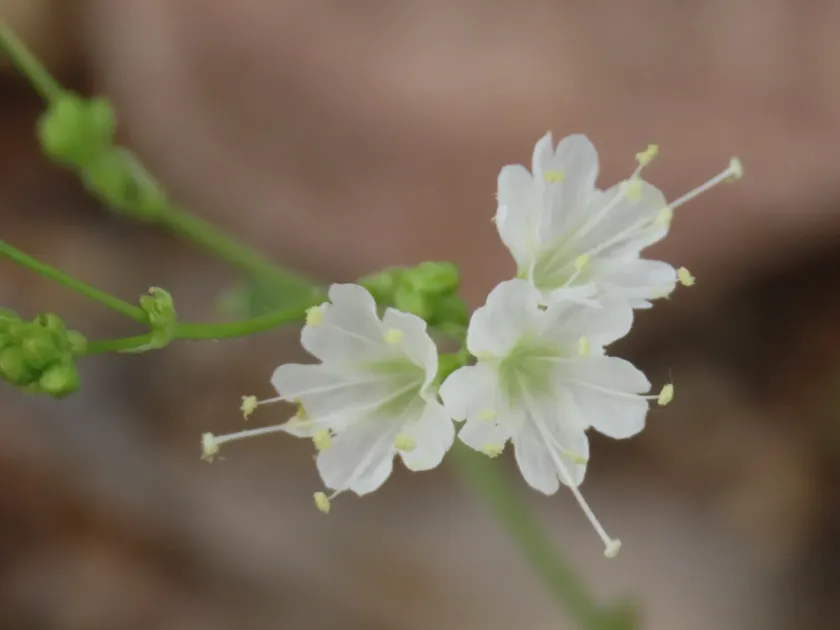
Description
Growing requirements
Сommicarpus decipiens is a species within the Nyctaginaceae family. This perennial herb or semi-shrub is native to arid regions, where it has evolved to thrive in challenging, resource-scarce environments.
The plant demonstrates a strong preference for well-drained, sandy, or coarse soils. It is highly adapted to low nutrient levels, often surviving where more demanding agricultural crops would fail to establish.
Climate requirements include high solar radiation and consistently warm temperatures. Frost sensitivity is high, meaning cultivation is strictly limited to frost-free zones. It thrives in regions with intermittent rainfall patterns.
Cultivation practices focus on maintaining optimal drainage. The primary agrotechnical requirement is the prevention of waterlogging, which is detrimental to the root architecture and can induce rapid fungal colonization.
Economically, it serves as an important forage resource for livestock in semi-arid zones. Its resilience under grazing pressure makes it a viable candidate for sustainable pasture management in dry regions.
Main diseases and pests
Fungal pathogens associated with excessive soil moisture are the most significant threats to the crop. Root rot diseases can devastate entire stands if drainage systems are inadequate or if irrigation is poorly timed.
Pests such as aphids and leaf-eating beetles may cause substantial damage to the foliage. Monitoring programs are essential to detect infestations early and prevent the spread of sap-sucking insects that act as virus vectors.
Weed competition during the seedling stage is a critical barrier to successful establishment. Without effective weed management, the young plants struggle to compete for sunlight and soil nutrients.
Root-knot nematodes present a hidden danger, especially in light, sandy soils where the plant grows best. Soil health management and integrated pest control strategies are necessary to minimize these losses.
General stress factors, including extreme heat during long dry spells, may weaken the plant, making it more susceptible to secondary infections. Maintaining soil structure is key to promoting long-term resilience.