
Commicarpus grandiflorus
Commicarpus grandiflorus
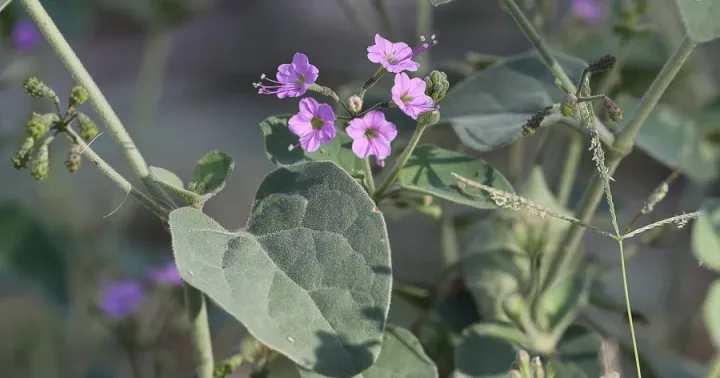
Description
Growing requirements
Commicarpus grandiflorus is a perennial herb belonging to the Nyctaginaceae family. It is a distinctive plant primarily native to the tropical regions of Africa, where it has evolved to thrive in warm, semi-arid environments. The species is recognized for its unique floral structures and sprawling growth habit.
The plant thrives in well-draining, loose soils that provide adequate aeration for the root system. Sandy loam or rocky soil compositions are ideal for mimicry of its natural habitat. It is highly sensitive to waterlogging, making proper site selection and drainage management crucial for any agricultural or decorative setup.
Regarding climate, this crop is strictly adapted to tropical and warm subtropical zones. It requires full sunlight exposure to maintain robust health and vibrant flowering. Temperatures below freezing are lethal to the plant, so it must be cultivated in regions with consistent warmth throughout the year.
The agronomic management of Commicarpus grandiflorus focuses on drought tolerance. Once established, the plant requires minimal supplementary irrigation. Fertilization should be kept to a moderate level, focusing on potassium and phosphorus to support flowering, while excessive nitrogen should be avoided to prevent leggy growth.
Economically, the plant is valued as an ornamental species for landscaping in arid regions. It serves as an excellent candidate for xeriscaping, providing aesthetic value with its large, showy flowers while requiring significantly less water than conventional bedding plants, thus making it a sustainable choice for urban greening.