
Cistus x pulverulentus
Cistus x pulverulentus Pourr.
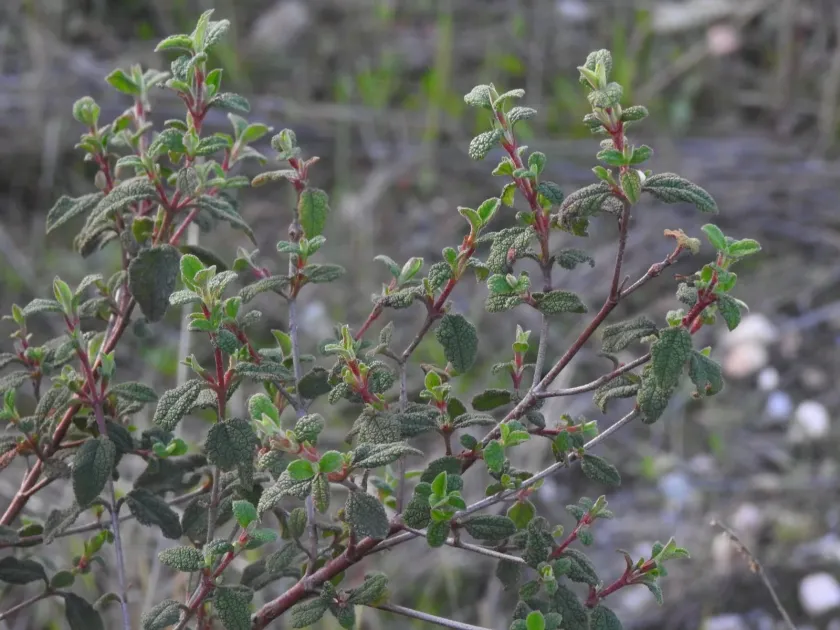
Description
Sowing dates
Propagation of Cistus x pulverulentus is typically achieved through seeds or semi-hardwood cuttings. Seeds should be sown in late winter or early spring in a greenhouse or controlled environment to allow sufficient growth before the final outdoor planting.
The seeds require light to germinate and should be surface-sown on a well-draining, lightweight medium. Maintaining consistent but low moisture is crucial, as the seeds and emerging seedlings are highly sensitive to waterlogged conditions.
Cuttings are best taken in mid-summer from healthy, non-flowering shoots. After applying a rooting hormone, cuttings are placed in a porous substrate under a mist system or a clear cover to maintain humidity until the root system is established.
Hardening off is a mandatory phase for young plants before they are transitioned to the field. This gradual exposure to exterior light and temperature variations ensures the plants are robust enough to withstand the environment in the permanent growing site.
Spacing is vital for Cistus development, with 60 to 80 centimeters recommended between individual plants. Proper spacing ensures adequate air circulation, which is essential to prevent fungal issues and promote healthy, uniform growth across the plantation.
Growing requirements
Cistus x pulverulentus is a heliophilic species that thrives in full sun. Maximum exposure to solar radiation is critical for both the health of the plant and the production of its characteristic aromatic resins within the foliage.
The soil must be exceptionally well-draining, mimicking the rocky, poor-nutrient conditions of its native Mediterranean habitat. Sandy or gravelly soils with a neutral to slightly acidic pH are optimal for root health and longevity.
This shrub is highly drought-tolerant, utilizing its pubescent leaves to minimize transpiration. Once established, it requires minimal irrigation, surviving effectively in environments where other crops would suffer due to the lack of consistent rainfall.
Climate preferences lean toward warm, dry summers and mild winters. In regions prone to severe frost, protection is necessary, or the plants should be kept in pots and relocated to cool, frost-free structures during the winter months.
Maintenance requirements are minimal; over-fertilization, especially with nitrogen, should be avoided as it compromises the plant's natural resilience and aromatic quality. A light mulch of gravel can help keep the root neck dry and free from soil pathogens.
Main diseases and pests
Root rot caused by poor soil drainage and stagnant water is the primary threat to Cistus x pulverulentus. Symptoms often include sudden wilting and leaf chlorosis, indicating that the root system has succumbed to fungal pathogens.
Powdery mildew can occur in conditions of high humidity and poor airflow. Preventive management involves maintaining proper plant spacing and ensuring the cultivation site is open and exposed to breezes that dry the foliage.
Aphids can occasionally colonize young growth during the spring. Control is usually achieved through natural predators or the application of mild, organic-based insecticidal soaps if an outbreak threatens the health of the young foliage.
Exposure to harsh, cold winds in winter can damage the succulent branch tips. Selecting a sheltered site that protects against northern gusts is a proactive step to ensure the longevity of the plant in cooler regions.
- Ensure optimal soil drainage
- Regular sanitary pruning
- Avoid excessive nitrogen fertilizers
Harvesting
Harvesting for commercial purposes focuses on the aerial parts of the shrub, specifically the leaves and young shoots that contain the valuable labdanum resin. The prime harvesting period occurs during peak flowering when resin concentration is highest.
Selective harvesting is practiced by cutting only the required amount of foliage, ensuring that the structural integrity of the shrub remains intact. This promotes rapid regeneration and prevents stress-induced diseases in the harvested plants.
Post-harvest processing involves drying the plant material in shaded, well-ventilated areas. Direct sunlight is strictly avoided during the drying process to prevent the degradation of volatile essential oils, which are the main product of interest.
Post-flowering pruning is performed not only for aesthetic shaping but also to rejuvenate the plant. By removing old wood, growers encourage the growth of fresh, resin-rich shoots for the following production cycle.
Once dried, the biomass is stored in cool, dark environments to preserve its chemical profile. Proper storage is vital to ensure that the resins maintain their olfactory and fixative properties for use in the perfume and cosmetic industries.