
Cistus lenis
Cistus x lenis Demoly
Description
Growing requirements
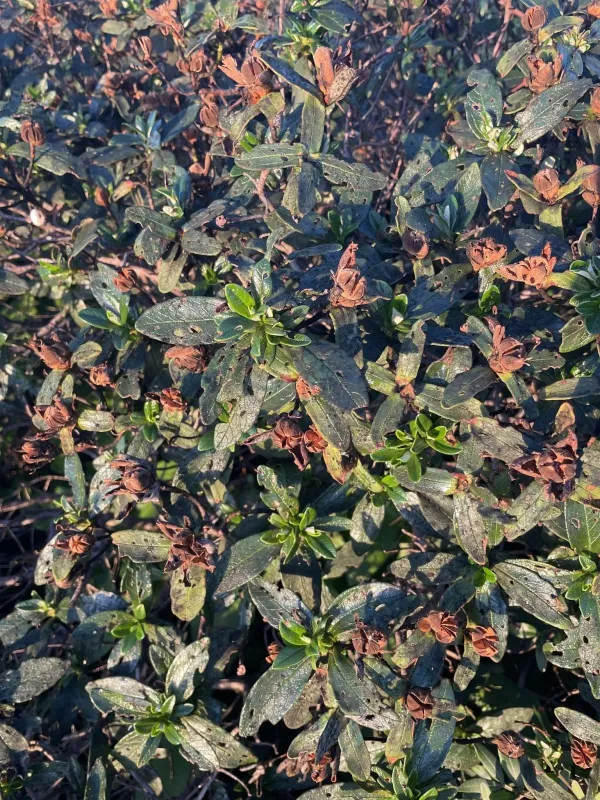
Cistus lenis is a distinctive hybrid ornamental shrub belonging to the Cistaceae family, widely appreciated for its hardiness and aesthetic appeal in landscape design. This plant is a typical representative of Mediterranean flora, well-adapted to harsh environmental conditions.
The primary soil requirement for this cultivar is a substrate with excellent drainage, such as rocky or sandy soils. Heavy clay soils are unsuitable, as they tend to retain moisture, which promotes root rot and reduces the plant's overall lifespan.
As a heliophilous species, Cistus lenis requires full sun exposure to thrive and maintain its dense, bushy growth habit. Shade-grown specimens often become leggy, lose their shape, and flower significantly less than those in full light.
Climatic adaptability is focused on warm, temperate regions. While it exhibits moderate tolerance to drought, it is less tolerant to severe, prolonged frosts, necessitating protected sites or winter sheltering in colder zones.
Agronomic management involves minimal irrigation once the plants are established. Fertilization should be kept to a minimum, as high nutrient levels can result in excessive foliage growth at the expense of floral production and overall plant hardiness.
Main diseases and pests
The main threats to Cistus lenis are fungal infections like root rot or powdery mildew, primarily induced by poor drainage and stagnant air circulation around the canopy.
Insect pests, although rarely problematic, can include aphids or mites that target young, succulent growth if the plant is under stress from dehydration or nutritional imbalance.
Effective management includes regular pruning to improve airflow and early detection of symptoms to ensure the rapid application of appropriate biological or chemical control agents.
Sanitation practices, such as removing fallen leaves and dead wood, are crucial to reducing the primary inoculum of pathogens within the growing area.
Maintaining proper spacing between individual shrubs is a key agronomic strategy to prevent cross-contamination and ensure each plant has sufficient access to air and sunlight.