
Loose rockrose
Cistus x laxus Aiton
Description
Growing requirements
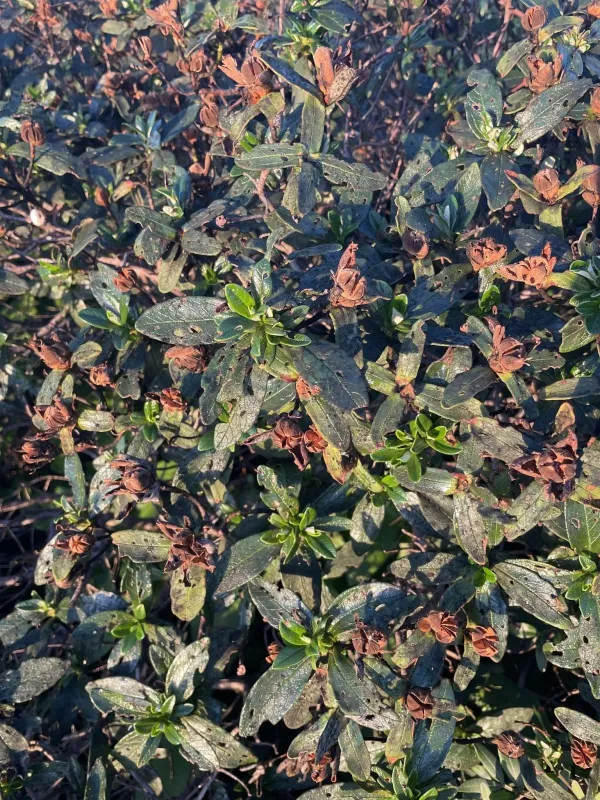
The loose rockrose (Cistus x laxus) is a distinctive evergreen shrub belonging to the Cistaceae family. It is recognized for its loose, graceful growth habit and large, delicate flowers that bring a Mediterranean aesthetic to any landscape.
Originating from the southwestern regions of Europe, specifically the Iberian Peninsula, this cultivar thrives in sunny, open environments. Its natural habitat is characterized by poor, rocky soils and long periods of sun exposure, which have defined its biological hardiness.
The primary requirement for successful cultivation is exceptional soil drainage. The plant is highly sensitive to waterlogged conditions, making it unsuitable for heavy clay or poorly draining garden beds. A sandy or gravelly loam is considered the ideal growing medium.
In terms of agricultural management, the plant requires very little supplemental water once it has established a deep root system. It thrives in full sun and is best suited for regions where winter temperatures remain above the threshold of severe, prolonged freezing.
Economically and horticulturally, the loose rockrose is a prized plant for xeriscaping and drought-resistant gardening. It is frequently employed to stabilize soil on slopes and as a structural element in low-maintenance landscape designs.
Main diseases and pests
The greatest threat to this crop is root rot, typically caused by the Phytophthora pathogen. This is almost exclusively associated with improper site selection and excessive irrigation, which prevents the roots from accessing sufficient oxygen.
Regarding pest pressure, the plant is relatively resistant, but may occasionally harbor scale insects or aphids if the plant is stressed due to poor soil health. Good horticultural practices, such as ensuring proper spacing for air circulation, are the best defense.