
Grey-leaved cistus
Cistus x incanus L.
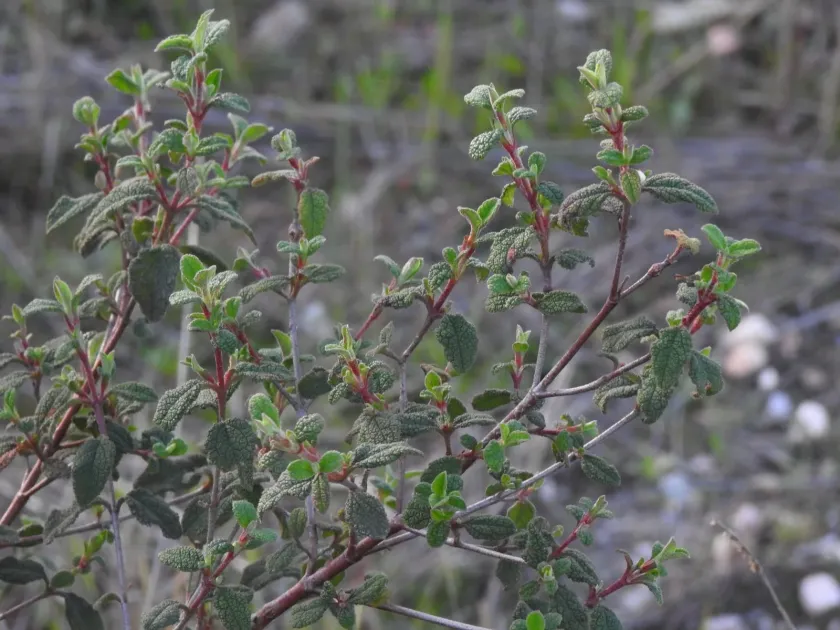
Description
Sowing dates
Propagation of the grey-leaved cistus is typically performed through seeds sown in early spring or via semi-hardwood cuttings taken during the summer months. Seed germination can be slow, often requiring pre-treatment or scarification to overcome seed coat dormancy.
Seeds should be sown in a well-draining, sandy-based substrate. Maintaining consistent, moderate moisture is essential, though excessive watering must be avoided to prevent damping-off diseases during the early stages of development.
For vegetative propagation, cuttings of approximately 10–15 cm in length are rooted under mist conditions. This method ensures uniformity in the plantation, which is preferred for commercial-scale medicinal crop production.
Seedlings or rooted cuttings are transplanted to the field after the danger of frost has passed. Planting density is crucial, with recommended spacing of at least 50 to 70 centimeters between plants to allow for adequate air circulation.
Establishing a new plantation requires careful weed management during the first season, as the young plants are slow to develop their root systems and can be easily outcompeted by aggressive weeds.
Growing requirements
The grey-leaved cistus (Cistus x incanus) belongs to the Cistaceae family and is native to the Mediterranean region. It is highly adapted to poor, rocky, and well-draining soils, thriving in conditions where other crops might struggle.
The plant requires full sun exposure to maximize the production of its secondary metabolites, including phenolic compounds and essential oils. Adequate light is a primary driver for both growth and active ingredient concentration.
Climate tolerance is a key feature, as the species is exceptionally drought-tolerant. Its leaves are covered in hairs and resins, which serve as natural mechanisms to reduce transpiration and prevent water loss in arid environments.
While tolerant of heat, the crop is sensitive to prolonged hard freezes. In colder agricultural zones, protection or greenhouse cultivation is necessary to maintain plant vigor throughout the winter months.
Soil pH should ideally be neutral or slightly acidic. The plant is extremely sensitive to waterlogged conditions, which will quickly lead to root rot and systemic failure, necessitating perfect drainage on planting sites.
Yield
The economic value of Cistus incanus lies in the harvest of its aerial parts, which are rich in antioxidants and bioactive resins. Yield stability is typically achieved by the third year of plantation life.
Optimal harvest timing is during the peak of the flowering stage, as this is when the concentration of essential oils and other medicinal compounds is highest within the leaves and shoots.
Modern production techniques involve mechanical harvesting, where specialized equipment is used to prune the bushes. Proper pruning after harvest is essential to stimulate fresh growth and ensure longevity for future seasons.
With careful management, a well-established field can remain productive for over a decade. Yields are heavily dependent on climatic variables, as extreme drought or moisture during the flowering window can significantly alter biomass quality.
Post-harvest processing, including controlled drying and extraction, is vital to preserve the volatile components that determine the final value of the commercial crop.
Main diseases and pests
Grey-leaved cistus is naturally resilient to many pests and diseases due to its high resin content, which acts as a protective chemical barrier. This makes it a suitable candidate for low-input or organic agricultural systems.
The most common agricultural threats are fungal issues, such as root rot or gray mold, which occur when plants are subjected to high humidity, poor air movement, or soil saturation in clay-heavy soils.
Pest pressure is generally low but can include aphid infestations during the spring growth flush. In dry greenhouse environments, spider mites may become a localized concern requiring intervention.
Integrated pest management strategies are recommended, focusing on maintaining plant health through proper site selection and spacing. Chemical intervention is rarely required if proper environmental conditions are met.
Prevention is the best strategy for maintaining the crop. Avoiding overhead irrigation and ensuring the soil structure is porous are the most effective ways to minimize the risk of pathogen outbreaks.
Harvesting
Harvesting is performed by trimming the green shoots at a height that leaves enough of the woody frame intact to facilitate regeneration. This ensures that the plant can recover and produce biomass in the next cycle.
Freshly cut biomass must be transported to drying facilities immediately to prevent fermentation or oxidation, which can negatively impact the quality of the essential oils and phenolic compounds.
Drying is conducted in ventilated, shaded areas at temperatures not exceeding 40 degrees Celsius. This careful approach prevents the degradation of delicate volatile compounds and preserves the characteristic appearance of the leaves.
Once dried, the crop is processed to remove debris and then stored in climate-controlled environments. High-quality product should maintain a distinct, aromatic profile and a uniform gray-green color.
Packaging in light-proof and moisture-proof containers is essential for long-term storage to prevent the deterioration of its medicinal properties before reaching the pharmaceutical or cosmetic market.