
Yezo thistle
Cirsium yezoense
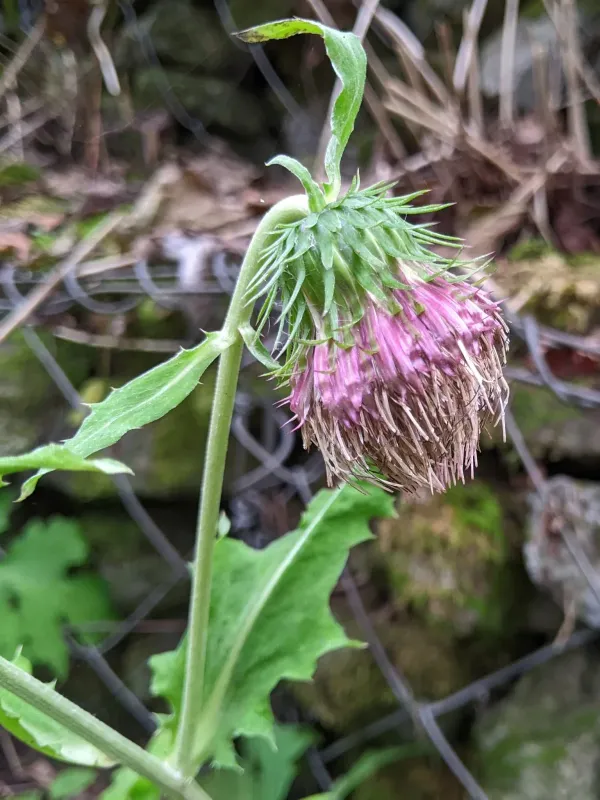
Description
Growing requirements
Yezo thistle (Cirsium yezoense) is a perennial herbaceous plant belonging to the Asteraceae family. While it is often perceived as a persistent weed in agricultural landscapes, it plays a vital role in the biodiversity of its native regions, particularly in East Asia.
The plant thrives in fertile, moist, and well-drained soils. Its preference for sunny or semi-shaded locations allows it to colonize diverse environments, ranging from grasslands to forest edges and riverbanks.
Regarding climatic needs, Cirsium yezoense demonstrates high adaptability to the temperate climate zones. Its robust rhizome system ensures survival during cold winters and facilitates rapid growth as soon as soil temperatures rise in spring.
Agronomic management of this species is essential due to its aggressive growth pattern. In cultivated fields, preventing the establishment of these plants requires constant monitoring and early removal before the reproductive phase begins.
The cultural use is minimal in traditional agriculture; however, in ecological research, it serves as an indicator of soil fertility and ecosystem health within its natural range.
Main diseases and pests
The primary diseases affecting Yezo thistle involve rust fungi that infect the foliage, often limiting the plant's photosynthetic capacity and hindering its overall development during the peak season.
Insect pests, including various weevils and leaf-mining beetles, target both vegetative and reproductive structures, occasionally exerting significant pressure on the plant's spread.
From an agricultural standpoint, chemical weed control remains the most frequent method of suppression. Systemic herbicides applied at the rosette stage are generally more effective than mechanical treatment alone.
Repeated tilling or mowing helps weaken the root reserves; however, this must be carried out consistently to prevent the plant from re-emerging from its extensive underground rhizome network.
Biological control measures are being studied to minimize the use of herbicides, focusing on specific insects that specialize in the Asteraceae family to maintain ecological balance in non-cultivated areas.