
Cirsium babanum
Cirsium babanum
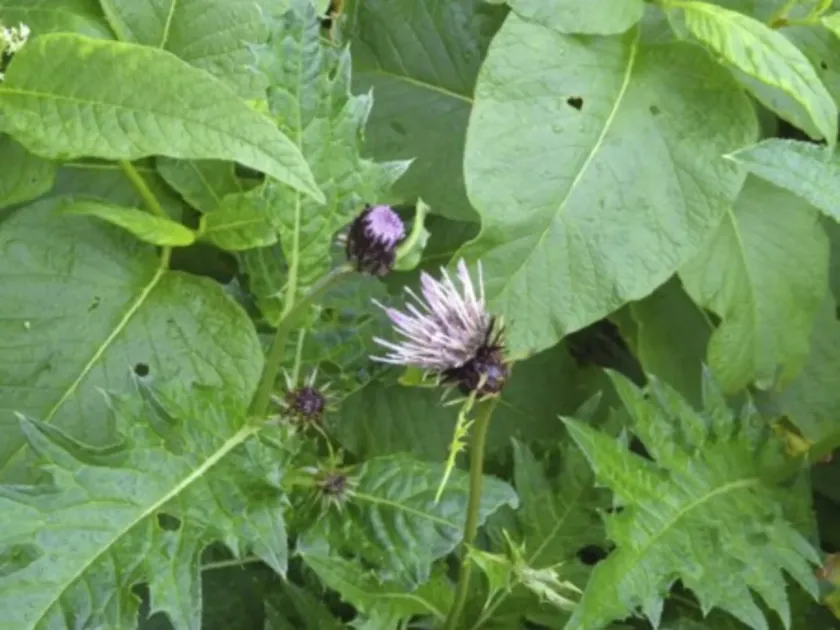
Description
Sowing dates
Cirsium babanum is a herbaceous perennial plant belonging to the Asteraceae family. It is known for its robust growth habit and ability to thrive in various soil conditions, making it an interesting subject for agricultural study and ecological research.
The sowing process typically begins in early spring when soil temperatures reach stable levels suitable for germination. The seeds require a well-prepared seedbed, free from debris and heavily compacted layers, to ensure optimal root establishment.
Spacing between plants is crucial, as the species tends to expand laterally over time. A spacing of 30 to 50 centimeters is often recommended to allow sufficient air circulation and nutrient access for each individual plant.
During the initial growth stages, weed control is essential to prevent competition. Once the plants establish a strong root system, they become highly competitive and can outgrow most surrounding vegetation, effectively occupying the space.
Environmental conditions during the germination period play a vital role in plant development. Consistent moisture levels, combined with gradual warming of the substrate, ensure high emergence rates and vigorous growth in the first few weeks.
Growing requirements
This species is highly adaptable to various climatic zones, though it prefers regions with moderate rainfall and plenty of direct sunlight. It exhibits significant tolerance to temperature fluctuations, making it a hardy plant for open landscapes.
Regarding soil requirements, Cirsium babanum thrives in fertile, well-drained loamy or black soils with a neutral pH level. It does not tolerate waterlogged conditions, which can lead to root degradation and stunted growth.
Light intensity is a key factor for healthy development. The plant is photophilic and requires full sun exposure to maintain its physiological health and structural integrity throughout the growing season.
Nutrient management involves balanced fertilization, particularly focusing on nitrogen and potassium during the active vegetative growth phase. Organic amendments can also be used to improve soil structure and long-term fertility.
Agricultural management requires regular field inspections to ensure that the plant receives adequate water and nutrient supplies. Proper maintenance practices, such as soil aeration, contribute significantly to the overall productivity of the crop.
Main diseases and pests
Common pests include aphids and various beetles that feed on tender plant tissues. Integrated pest management strategies, focusing on biological controls, are preferred to minimize chemical input and maintain ecological balance.
Fungal diseases like powdery mildew can affect the leaves during periods of high humidity and poor ventilation. Providing adequate spacing between plants is the primary preventive measure against such outbreaks.
Root rot is a major threat in fields with poor drainage or over-irrigation. Proper irrigation scheduling is necessary to keep the soil moisture levels within the optimal range for the plant's metabolism.
Rust infections can also occur, appearing as distinct spots on the foliage. Early detection and the application of targeted fungicides can prevent the disease from spreading throughout the entire plantation.
Effective management against pests and diseases relies on regular monitoring and the use of resistant varieties where available. Maintaining overall plant vigor is the best defense against environmental and biological stressors.