
Winged thistle
Cirsium alatum
Description
Sowing dates
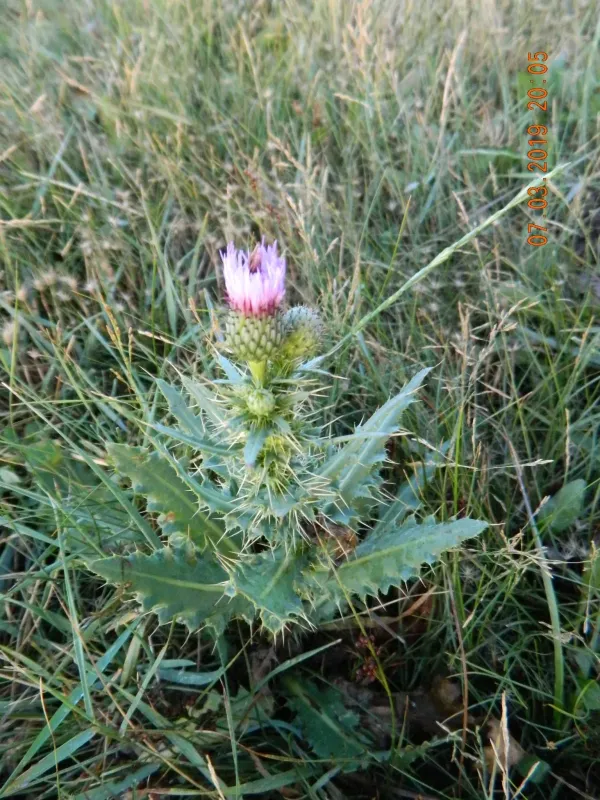
Winged thistle (Cirsium alatum) is a herbaceous plant belonging to the Asteraceae family. It is often recognized for its unique winged stem morphology.
The plant typically follows a biennial life cycle. Seeds germinate in the spring, establishing a basal rosette of leaves during the first year of growth.
During the first year, the plant invests significant energy into developing a robust root system, which is crucial for surviving cold winter conditions.
In the second year, the plant produces a tall, flowering stem characterized by the presence of prominent wings along its length.
Seed dispersal occurs primarily via wind, making the timing of germination highly dependent on favorable soil moisture and temperature in the spring.
Growing requirements
The species prefers open habitats with full sun exposure, which is essential for proper development and reaching its full growth potential.
It thrives best in nutrient-rich, loamy soils that offer good drainage and moderate soil moisture levels throughout the growing season.
Winged thistle is relatively drought-tolerant once established, owing to its deep taproot that accesses subsoil moisture during dry spells.
While it is adaptable, it performs poorly in compacted or waterlogged soils, which can inhibit its primary root development.
Effective management requires maintaining appropriate soil fertility and regular monitoring to prevent excessive colonization of surrounding areas.
Main diseases and pests
The plant is susceptible to common Asteraceae pathogens, including powdery mildew, which can significantly affect foliage health.
Rust fungi represent a major threat, particularly in regions with high humidity levels, leading to tissue necrosis and reduced vigor.
Aphids are frequent pests that colonize the stems and flower buds, utilizing the plant's resources and transmitting potential viral infections.
Larvae of various beetles can cause damage to the root system, which may weaken the plant's structural integrity over its second year.
Integrated pest management strategies are often employed to manage its population, focusing on mechanical removal and selective control.