
Cirsium amplexifolium
Cirsium amplexifolium
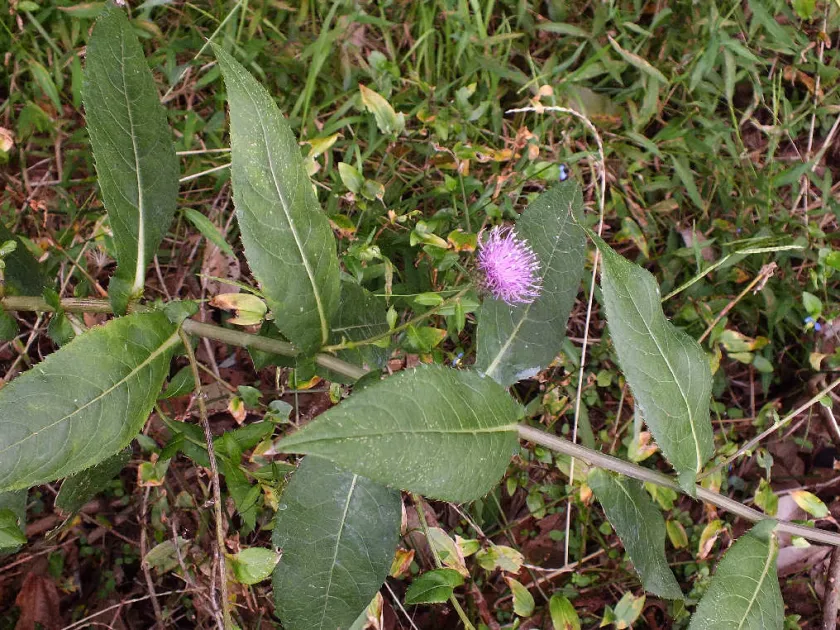
Description
Sowing dates
Cirsium amplexifolium is a perennial herbaceous plant belonging to the Asteraceae family. Sowing is typically conducted in early spring when the soil temperature consistently reaches 10 degrees Celsius to ensure optimal germination and seedling vigor.
The seeds should be sown at a shallow depth of approximately 1–2 centimeters. Proper seed-to-soil contact is essential for uniform emergence, which is a prerequisite for a healthy and uniform crop stand throughout the season.
Precision seeding equipment is recommended to maintain an appropriate planting density. Row spacing should be kept around 25 to 30 centimeters to allow for necessary mechanical cultivation and adequate airflow between rows.
Germination usually takes about two weeks depending on soil moisture levels. Maintaining consistent moisture during the emergence phase is critical, as the small seedlings are sensitive to surface drought conditions.
After emergence, the plants focus on developing a basal rosette of leaves. This vegetative stage is the most vulnerable, requiring a clean field free of competitive weeds to establish a strong root system before winter.
Growing requirements
The crop thrives in well-drained, fertile loamy soils. It has a specific preference for neutral to slightly acidic pH levels, which facilitates the absorption of essential mineral nutrients like phosphorus and potassium.
Regarding climate, the plant exhibits a moderate tolerance for various temperature regimes but achieves the best growth in temperate zones with high solar exposure. Excessive shade significantly inhibits its photosynthetic activity.
Water requirements are moderate, with the plant showing decent drought resistance once established. However, peak productivity is linked to sufficient rainfall or irrigation during the late spring to early summer growing season.
Nutrient management should focus on maintaining a balanced soil fertility profile. Excessive nitrogen applications should be avoided to prevent weak stem development, which could lead to lodging during high wind events.
Proper field maintenance involves monitoring the drainage quality, as the plant cannot tolerate waterlogged soils, which may cause root rot and significantly reduce total dry matter yield.
Main diseases and pests
Rust and powdery mildew are the most prevalent fungal threats to this crop. These diseases typically manifest during periods of prolonged humidity and moderate temperatures, requiring early intervention with appropriate fungicides.
Insect pests, including various species of aphids and weevils, can cause substantial leaf and stem damage. Integrated Pest Management (IPM) strategies should be implemented to mitigate population growth of these harmful insects.
Soil-borne pests like wireworms may attack the root system, weakening the plant and making it more susceptible to environmental stress. Crop rotation with non-host species is a vital strategy for preventing such infestations.
Mechanical damage to the stems during cultivation can serve as an entry point for opportunistic pathogens. Careful machinery operation is essential to preserve plant integrity and minimize the risk of secondary infections.
- Conduct regular field scouting to identify disease outbreaks at the early stage.
- Implement diverse crop rotations to disrupt the lifecycles of specialized pests.
- Ensure that all equipment is sanitized to prevent cross-contamination between plots.