
Cirsium welwitschii
Cirsium welwitschii
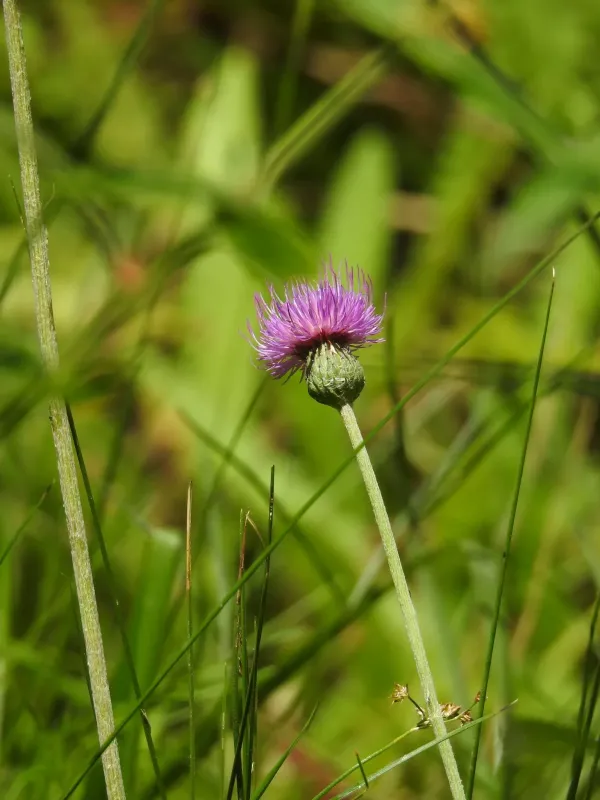
Description
Sowing dates
Cirsium welwitschii is a perennial herbaceous plant belonging to the Asteraceae family. Sowing is typically carried out during the early spring period, ensuring the soil has reached an optimal temperature for germination.
The seeds require a well-prepared seedbed to ensure high establishment rates, with planting depths ranging from 1 to 2 centimeters to maximize success.
Field establishment depends heavily on moisture levels immediately following sowing, as the species is sensitive to extreme drought during the initial rooting phase.
In commercial settings, the spacing between rows should be maintained at a distance that prevents excessive competition for resources while allowing for mechanical weeding.
The plant demonstrates vigorous growth once established, often becoming highly competitive with local vegetation, which should be considered when planning crop rotation.
Growing requirements
The crop thrives in well-drained, fertile soil types, preferring substrates that avoid waterlogging while retaining enough moisture for steady development.
Sunlight exposure is a critical requirement for Cirsium welwitschii, as it impacts the development of its characteristic flower heads and overall biomass production.
Regarding climate, the plant exhibits a notable degree of hardiness, capable of surviving through moderate winter cycles in varied geographical regions.
Soil pH levels should ideally fall within the neutral range to ensure the bioavailability of necessary micronutrients for the plant's physiological functions.
Strategic irrigation can significantly enhance yield if periods of drought coincide with the plant's peak vegetative growth stages.
Main diseases and pests
Pathogens such as various rust fungi pose a significant risk, particularly when climatic conditions favour long periods of leaf wetness and high humidity.
Insect pests including aphids and certain species of stem borers can cause physiological stress, potentially reducing the overall quality of the harvest.
Effective management requires a combination of cultural practices, such as clearing plant debris, to disrupt the life cycles of common field pests.
Using integrated pest management strategies is recommended to protect pollinators, which are frequently attracted to the plant during its flowering phase.
- Regular inspection of leaf undersides for aphid colonies.
- Application of sustainable fungicides during high-risk seasons.
- Maintaining soil health through appropriate nutrient management.