
Waldstein's Thistle
Cirsium waldsteinii
Description
Growing requirements
Waldstein's Thistle (Cirsium waldsteinii) is a perennial herbaceous plant belonging to the Asteraceae family. In an agricultural context, it is recognized for its role in maintaining ecological balance and its potential as a valuable honey plant in mountainous regions.
The plant is native to high-altitude areas, particularly in Central and Eastern European mountain ranges. It thrives in soils that are rich in organic matter and have high moisture retention capabilities, making it a specialized crop for specific pedoclimatic conditions.
Regarding climate, this species requires a cool, humid environment with consistent precipitation throughout the growing season. High heat and prolonged drought periods are detrimental to its development, highlighting the importance of site selection in regions with distinct summer aridity.
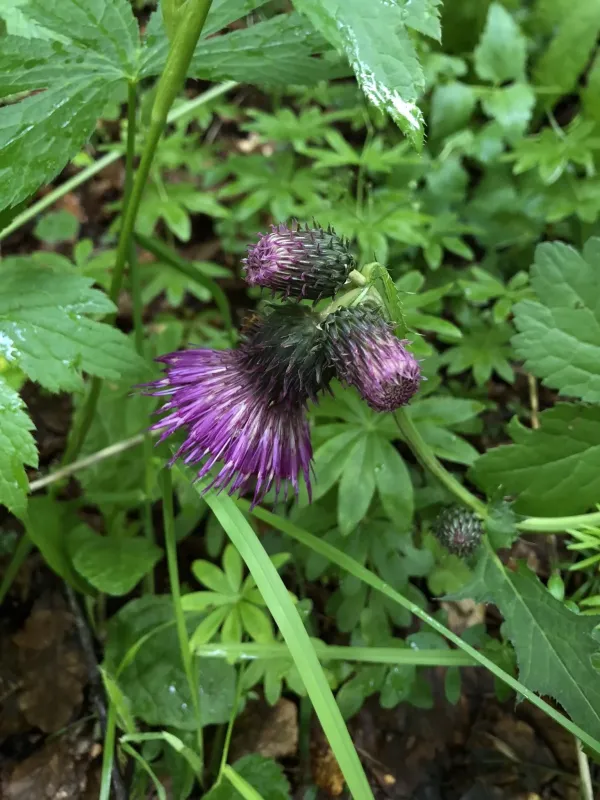
Botanically, Cirsium waldsteinii is characterized by its robust upright stem and complex leaf structure with serrated, thorny margins. These adaptations allow the plant to withstand harsh alpine environments while optimizing its surface area for photosynthesis under varying light intensities.
In terms of practical application, the crop serves as an important component of mountain pastures. Its extensive root system also contributes to soil stabilization on slopes, preventing erosion and promoting the long-term sustainability of the land where it is grown.
Main diseases and pests
The primary diseases affecting Waldstein's Thistle are fungal in nature, particularly those causing leaf spots and mildew during periods of excessive humidity. These pathogens spread quickly in dense plantings, requiring effective air circulation management.
Insect pests such as weevils and aphids represent the most significant threat to the plant's productivity. These pests often target the developing flower buds, which leads to a reduction in both honey production potential and seed viability for future seasons.
Competition from invasive plant species can hinder the establishment of the crop in its early stages. Effective site preparation and selective weeding are essential to ensure that the thistle has sufficient resources to dominate the localized plant community.
Winter damage caused by small mammals or frost-thaw cycles can impair root health. Managing the landscape to reduce the pressure from herbivores is a crucial part of the overall strategy for maintaining healthy populations of this species.
Integrated pest management (IPM) is the recommended approach for this crop. By prioritizing biological controls and environmental management over broad-spectrum pesticides, farmers can protect the pollinators that are essential for the thistle's reproductive success.