
Cirsium verutum
Cirsium verutum
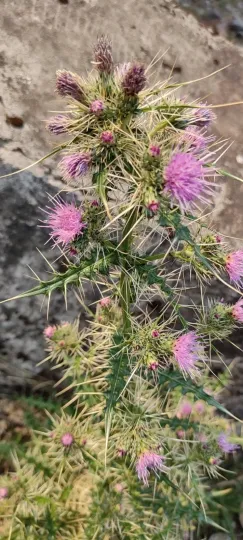
Description
Sowing dates
Cirsium verutum is a perennial herbaceous plant belonging to the Asteraceae family. While often considered a wild species in various regions, its biological traits allow it to be utilized in specific agricultural contexts, particularly for soil improvement or biodiversity promotion.
The optimal time for sowing Cirsium verutum is during early spring when soil temperatures reach stable levels around 10 degrees Celsius. This allows the root system to establish well before the onset of the summer heat, ensuring higher survival rates for young plants.
Seeds should be sown at a shallow depth of approximately 1 to 2 centimeters to ensure adequate light exposure. Proper seed-to-soil contact is critical, and gentle rolling of the seedbed post-sowing can significantly improve germination uniformity.
The plant exhibits a slow growth rate in the early rosette phase, which requires farmers to prioritize weed control during the first weeks. Once the taproot is firmly established, the plant transitions to a rapid vegetative growth phase.
Row planting with a spacing of about 40–50 centimeters is recommended for optimal management. This spacing facilitates mechanical weeding and ensures that each plant receives sufficient nutrients and light for maximum biomass production.
Growing requirements
Cirsium verutum is well-adapted to a wide range of soil types, though it thrives best in fertile, well-drained loamy soils. It demonstrates a remarkable ability to extract nutrients from poor soils, making it a viable candidate for land restoration projects.
The plant is known for its moderate drought tolerance once mature, thanks to its deep taproot system. However, for maximum green mass production, consistent moisture during the early spring vegetative growth is highly beneficial for the crop.
Sunlight is a primary requirement for the healthy development of Cirsium verutum. Full sun exposure ensures optimal photosynthesis rates and promotes the development of strong, thick stems that characterize this species.
The plant shows high winter hardiness and can endure significant frost conditions. This resilience makes it suitable for cultivation in various temperate climates where lower temperatures are common during the winter months.
Nutrient management involves balanced fertilization, particularly focusing on phosphorus and potassium to support root development. Nitrogen application should be moderate to avoid excessive vegetative growth at the expense of structural integrity.
Main diseases and pests
Powdery mildew is the most common fungal disease affecting Cirsium verutum, particularly in humid or stagnant air environments. Good airflow within the field and proper spacing between plants are essential cultural practices to mitigate this threat.
Aphids can be problematic during the rapid growth phase, congregating on the succulent stems and terminal buds. Farmers should employ integrated pest management strategies, focusing on encouraging natural predators like ladybugs to keep populations in check.
Weevils may cause damage by feeding on foliage, which can potentially stunt growth if left untreated. Regular monitoring of the field is necessary to identify early signs of infestation and apply targeted, eco-friendly control measures if needed.
Root damage caused by soil-borne larvae, such as click beetle larvae (wireworms), requires attention to soil drainage and proper crop rotation. Maintaining soil health helps the plant withstand minor root-level feeding without losing vigor.
Effective weed management during the seedling stage is the most important prophylactic measure. By ensuring the crop outcompetes weeds early on, the plant becomes much more resistant to secondary infections and pest pressures throughout the growing season.