
Cirsium valentinum
Cirsium valentinum
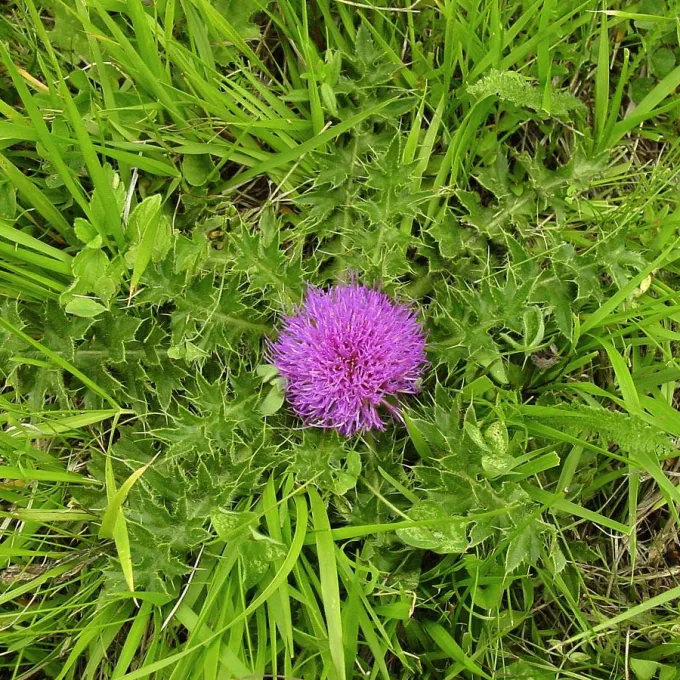
Description
Sowing dates
Cirsium valentinum is a wild plant species and is not considered an agricultural crop. Its life cycle is entirely determined by natural conditions, with seed dispersal typically occurring in late summer.
Germination usually takes place during the autumn and winter months when temperatures are moderate and the soil retains sufficient moisture for early development.
The seeds are highly adaptable, often establishing themselves in disturbed environments, fallow fields, or areas where natural vegetation has been removed.
In modern agricultural practice, this plant is regarded as a weed that requires management to prevent it from competing with cultivated crops for nutrients and sunlight.
The plant demonstrates a robust strategy for space colonization, which allows it to thrive in non-managed lands or along field margins where soil disturbance occurs.
Growing requirements
Belonging to the Asteraceae family, Cirsium valentinum is endemic to specific regions, primarily favoring habitats with limestone-rich substrates.
It requires high solar exposure to complete its full life cycle and does not thrive in shaded areas where competition for light is intense.
The plant is adapted to Mediterranean climatic conditions, characterized by mild, wet winters and hot, dry summers that influence its physiological processes.
Well-drained soils are essential for its growth, as the plant is sensitive to waterlogging, which can easily damage its root system during the dormant period.
It prefers alkaline soil conditions, which are characteristic of its native range in the eastern parts of the Iberian Peninsula.
Main diseases and pests
The plant can be susceptible to various fungal pathogens, particularly rusts and powdery mildew, especially in regions with high humidity levels.
Diverse insect pests, including various aphids and weevils, often inhabit its inflorescences, impacting the reproductive success of individual plants.
Root rot is a potential threat when the soil remains excessively moist, often leading to rapid decay of the taproot and subsequent plant mortality.
From an agricultural standpoint, mechanical cultivation and targeted herbicide applications are the standard methods used to suppress its growth in cropping systems.
Despite being a resilient weed, intense competition from faster-growing grass species can limit its ability to establish a large population in certain disturbed habitats.