
Cirsium valdespinulosum
Cirsium valdespinulosum
Description
Growing requirements
Cirsium valdespinulosum is a perennial plant species belonging to the Asteraceae family. In an agricultural context, it is typically managed as a challenging weed due to its aggressive growth habit and deep root system.
The plant thrives in a variety of environments, demonstrating a preference for open, sunlit areas with moderate to high soil fertility. It frequently colonizes pastures, field margins, and cultivated lands.
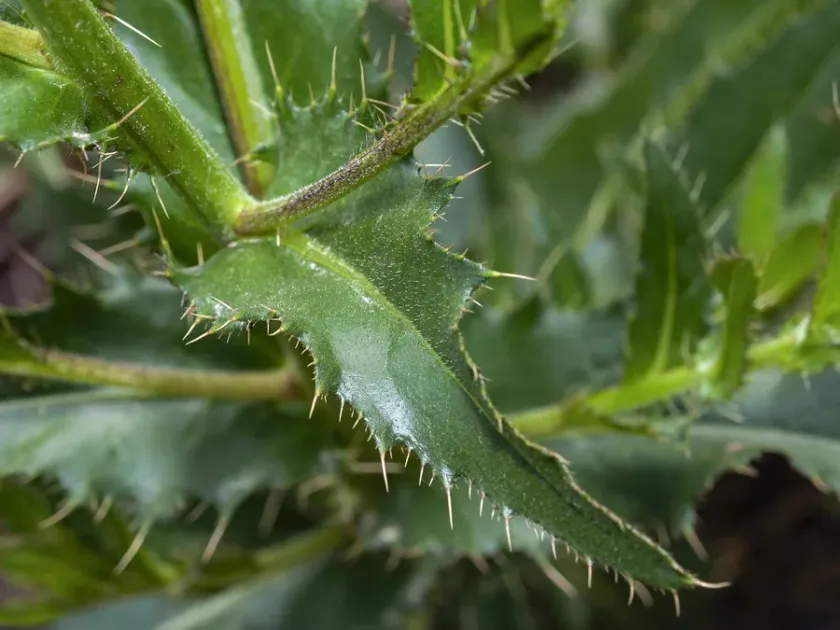
Botanically, it features prickly leaves and stem structures, which serve as a defense mechanism against herbivores and facilitate its survival in disturbed ecosystems throughout its range.
Its climate tolerance is broad, allowing it to withstand significant temperature fluctuations. It remains viable in regions with varying moisture levels due to its efficient, deep-reaching root architecture.
The species reproduces effectively through both wind-dispersed seeds and vegetative propagation from its extensive underground rhizomes, making it difficult to eradicate once established.
Main diseases and pests
The plant is susceptible to certain fungal infections, including rust and powdery mildew. While these pathogens can affect foliage, they rarely offer natural control sufficient to suppress populations.
Various insect pests, including weevils and aphids, may feed on the plant tissues. However, these rarely impact the overall vigor of the plant enough to provide significant agricultural benefit.
The primary threat posed by this species in agriculture is its strong competition for nutrients and water, which directly impacts the productivity of neighboring crop plants.
Integrated weed management remains the best strategy, focusing on mechanical disruption of the root system to prevent the accumulation of energy reserves required for winter survival.
Chemical control involving systemic herbicides is often necessary in heavily infested fields, particularly when applied during the rosette stage to ensure translocation to the roots.