
Tuberous thistle
Cirsium tuberosum
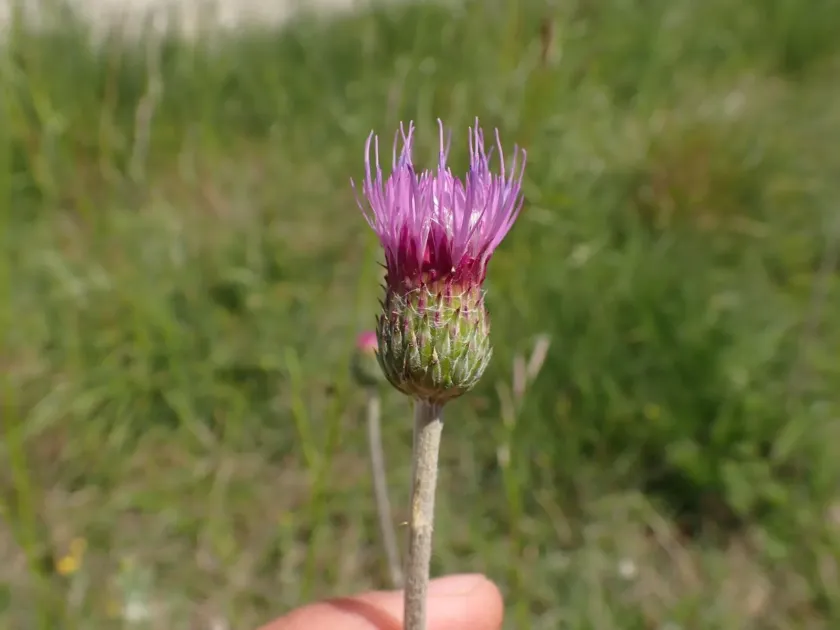
Description
Growing requirements
Tuberous thistle (Cirsium tuberosum) is a perennial herbaceous plant belonging to the Asteraceae family. It is distinct due to its tuberous root swellings, which are specialized organs that store nutrients to support growth in stable grassland ecosystems.
The plant originates from European meadows and is historically adapted to calcareous soils with high drainage capacities. Its native habitat ranges across temperate zones where it prefers open sites with significant exposure to direct sunlight throughout the vegetative season.
Soil requirements focus on neutrality or slight alkalinity and excellent aeration. Because of the fleshy root structure, heavy or waterlogged clays are unsuitable for cultivation, as they impede the plant's ability to maintain its nutritional stores effectively over the winter.
Regarding climatic needs, the tuberous thistle exhibits a strong hardiness to freezing temperatures, typical of continental climates. Consistent solar radiation is required during late spring and summer to ensure successful anthesis and subsequent seed development.
In terms of management, the crop requires very limited intervention once established. It is essential to manage weed competition during the seedling phase to ensure the plant can build up its root system without significant competition from aggressive grasses or encroaching scrub.
Main diseases and pests
Common biological threats include aphid infestations during the early stages of shoot growth, which can weaken the vigor of the plant and reduce the number of blossoms produced.
Fungal pathogens such as rust fungi may affect the foliage, particularly in dense stands with poor air circulation or prolonged periods of high ambient humidity, requiring careful site management.
Herbivory by larger mammals, such as grazing livestock, poses a significant risk as it removes the reproductive parts of the plant, effectively stopping the cycle of natural re-seeding.
The invasion of fast-growing shrubs and trees represents a major ecological threat, as the tuberous thistle cannot survive in shaded conditions and will eventually be shaded out by taller vegetation.
Protective strategies involve maintaining an open landscape architecture and monitoring for early signs of infection, ensuring that cultural practices support the overall health and resilience of the perennial stand.