
Tatar thistle
Cirsium tataricum
Description
Growing requirements
Tatar thistle (Cirsium tataricum) is a perennial herbaceous plant belonging to the Asteraceae family. Known for its robust growth habit, it is well-adapted to various temperate ecosystems across Eurasia.
The plant thrives in open habitats, including meadows, field margins, and grasslands. It requires significant sunlight and prefers moist, fertile soils to reach its full development potential during the growing season.
Agronomically, it is recognized for its strong root system, which allows it to persist in stable environments. The plant displays high environmental plasticity, adapting to fluctuating precipitation levels throughout the year.
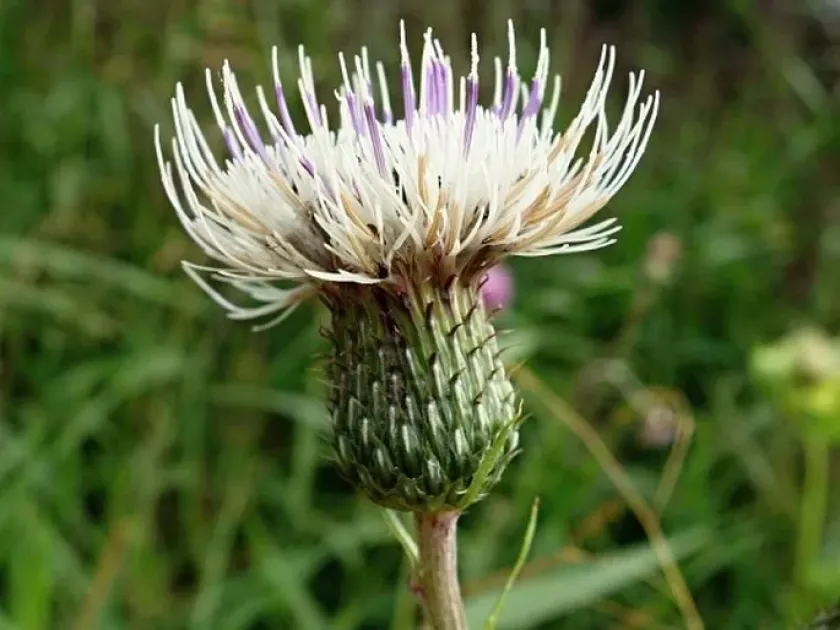
Botanical traits include distinctive spiny leaves and dense flower heads that attract a variety of pollinators. These features are typical of the Cirsium genus and contribute to the plant's ecological importance in meadows.
In management contexts, understanding its biological cycle is essential. While it serves as a nectar source, its competitive nature in agricultural fields often requires integrated management strategies to maintain optimal crop yields.
Main diseases and pests
Like many species in the Asteraceae family, Cirsium tataricum can be affected by rust fungi. These pathogens manifest as pustules, which can lead to reduced photosynthetic efficiency in the leaves.
Pests such as seed-feeding insects frequently target the flower heads. These organisms play a significant role in regulating the natural seed bank of the plant within wild populations.
Environmental stress, such as prolonged soil saturation, may increase susceptibility to secondary rot infections in the root crown. Proper soil drainage remains a key factor in plant health management.
Weed control measures often involve mechanical cutting before the onset of seed production. This practice helps to manage the density of the plant without harming local insect biodiversity.
Regular field scouting is recommended to monitor for the presence of pathogens and to apply targeted control strategies only when necessary to balance ecological and agricultural needs.