
Tanaka thistle
Cirsium tanakae
Description
Growing requirements
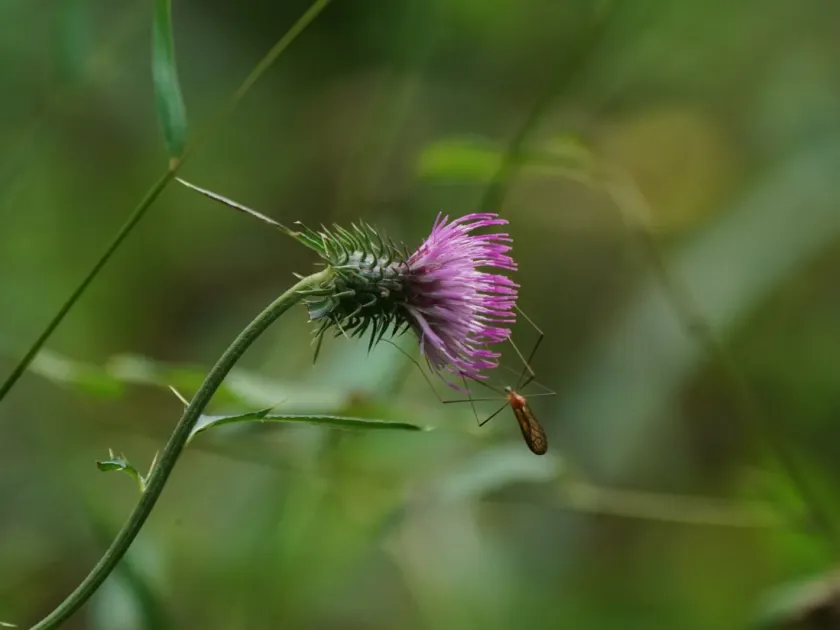
Tanaka thistle (Cirsium tanakae) is a herbaceous perennial plant belonging to the Asteraceae family. It is a unique species primarily native to the mountainous regions of East Asia, where it thrives in high-altitude meadows and forest edges.
The plant demands a cool and humid climate to flourish. Unlike common varieties, this species is well-adapted to short growing seasons, demonstrating significant hardiness against the temperature fluctuations typical of mountain landscapes.
Regarding soil requirements, Tanaka thistle prefers well-drained, nutrient-rich soils with a neutral pH level. It does not tolerate waterlogging, which makes the selection of a well-aerated location essential for successful long-term cultivation.
Botanically, the plant is characterized by a strong taproot system and erect, often spiny stems that can reach substantial height during the peak of the flowering season. Its leaves are deeply lobed, providing a distinct appearance common to many members of the Cirsium genus.
For optimal development, the culture requires moderate levels of sunlight. While it can withstand partial shade, full sun exposure for several hours a day is beneficial for the plant's metabolic processes and the production of healthy foliage.
Main diseases and pests
Tanaka thistle is susceptible to various pests, most notably aphids and leaf-eating beetles that can damage the leaf lamina. Early detection is crucial, and organic-based insecticidal treatments are often sufficient to manage populations without harming beneficial insects.
Fungal diseases like powdery mildew are common in humid conditions with poor airflow. The appearance of a white powdery coat on the leaves indicates a need for increased ventilation and the application of suitable fungicidal sprays to protect the plant.
Root rot represents a severe threat if soil drainage is compromised. To prevent this, it is recommended to monitor moisture levels closely, especially during the wetter months of the year, to avoid the build-up of pathogenic bacteria in the root zone.
Rust fungi are another biological threat, presenting as small orange or brown spots on the underside of leaves. Pruning affected parts immediately upon discovery can stop the spread of spores to healthy plant tissues.
Good agricultural hygiene, including the removal of dead organic matter in autumn and the maintenance of adequate space between plants, is the best strategy for minimizing the prevalence of pests and diseases in any planting of Cirsium tanakae.