
Cirsium suffultum
Cirsium suffultum
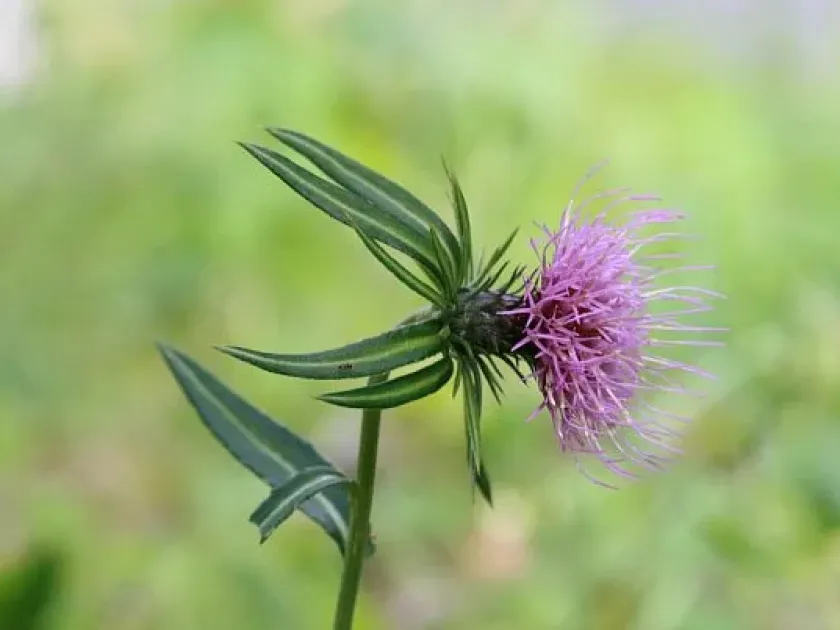
Description
Growing requirements
Cirsium suffultum is a perennial herbaceous plant belonging to the Asteraceae family. Known for its robust growth, it originates from the mountainous regions of Mexico, where it thrives in open landscapes and high-altitude meadows.
The plant exhibits high adaptability to various soil types, preferring well-drained loams that provide adequate nutrient retention. It is well-known for its drought tolerance, which is facilitated by a deep and efficient taproot system.
Optimal development requires ample exposure to sunlight. The species performs best in temperate climates with well-defined seasonal patterns, avoiding areas characterized by prolonged waterlogging or high humidity that promotes rot.
Standard agronomic practices involve deep soil preparation to ensure root penetration and nutrient accessibility. Regular cultivation helps in maintaining soil structure and preventing the encroachment of competing weed species.
Regarding its economic use, the plant serves as a vital component in grassland ecosystems and has been evaluated for its potential in sustainable biomass production. It continues to be a subject of interest for localized ecological restoration projects.
Main diseases and pests
Powdery mildew represents one of the most common fungal threats to the species, particularly in conditions with poor air circulation or high atmospheric humidity. It manifests as a white mycelial layer on the foliage, impacting plant health.
Root rot, driven by stagnant water in the substrate, can significantly undermine plant stability. Proper drainage management is the primary defense strategy for preventing the onset of soil-borne pathogens.
Pests such as aphids are frequent visitors, clustering on young shoots and buds. Their feeding behavior causes leaf curling and stunted growth, necessitating monitoring during the vegetative phase.
Weevils pose a specific risk to reproductive organs, specifically targeting the flower heads and affecting seed viability. Insecticidal interventions are used in commercial applications to protect yield quality.
Integrated Pest Management (IPM) practices are highly recommended to balance ecological health with crop protection, ensuring long-term sustainability of the planting site.