
Cirsium spathulatum
Cirsium spathulatum
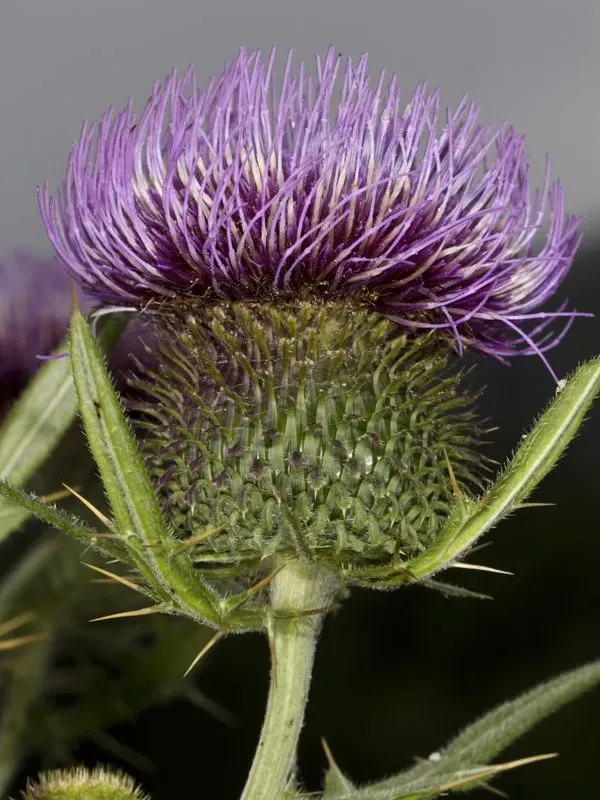
Description
Growing requirements
Cirsium spathulatum is a perennial herbaceous plant belonging to the Asteraceae family. In agricultural settings, it is often identified as a wild thistle species that functions as a component of the local flora rather than a commercial crop.
This species thrives in open, sunny locations with well-drained soils. It exhibits significant adaptability to various soil types, ranging from sandy loams to heavier clay-based textures, provided there is adequate drainage.
The plant is characterized by a deep and complex root system, which acts as a storage organ for energy reserves, allowing the thistle to persist through various environmental stress conditions.
Regarding climate requirements, Cirsium spathulatum prefers temperate zones where it can utilize long photoperiods to complete its growth cycle and produce inflorescences that attract various pollinators.
From a management perspective, understanding the ecological niche of this species is essential for farmers who seek to balance weed control with the preservation of pollinator-friendly habitats near their fields.
Main diseases and pests
The plant is susceptible to several common fungal pathogens, including rusts and mildews, which typically manifest during high-humidity periods and can inhibit overall plant vigor.
Insect pests, such as certain beetles and aphids, frequently feed on the succulent leaves and flower buds, occasionally reducing the reproductive capacity of the plant.
Effective control strategies in agricultural landscapes usually involve integrated approaches such as mechanical cultivation, which disrupts the root system and prevents spread.
Cover cropping and the use of competitive vegetation are recognized as viable biological methods to suppress the establishment and growth of Cirsium species in field borders.
Herbicidal treatments are generally restricted to targeted applications, ensuring that the surrounding ecosystem remains protected while managing the density of the thistle population.