
Siebold's Thistle
Cirsium sieboldii
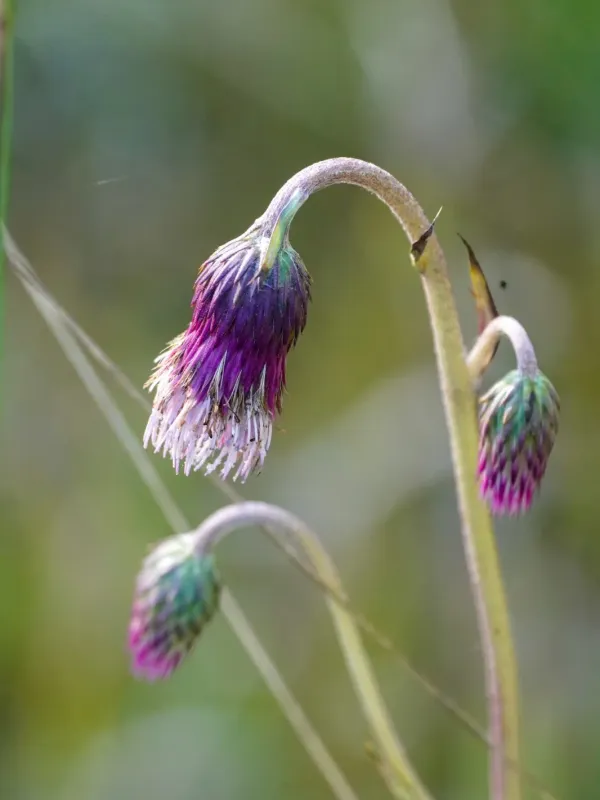
Description
Sowing dates
Siebold's Thistle (Cirsium sieboldii) is a perennial herbaceous plant belonging to the Asteraceae family. Sowing is typically performed in early spring, once soil temperatures reach a stable level, or during the late autumn period to allow for natural stratification.
To ensure high germination rates, the seeds must be planted in well-prepared, moist soil. A seeding depth of 1-2 centimeters is recommended, with row spacing maintained at approximately 40 to 50 centimeters to support optimal plant density.
The species demonstrates vigorous growth patterns, making it suitable for both seed-based propagation and vegetative division. Vegetative propagation is often preferred in commercial settings for maintaining genetic uniformity.
When dividing established plants, it is crucial to perform the operation during the dormancy period, either in early spring or autumn. This minimizes plant stress and facilitates rapid root establishment in the new location.
Early-stage weed control is essential for the crop's establishment. Since young seedlings are relatively slow to develop their full potential, maintaining a weed-free environment is critical for success.
Growing requirements
Siebold's Thistle thrives in locations with ample sunlight, though it can tolerate partial shade during the heat of the day. The ideal growing medium is fertile, well-draining soil with a neutral to slightly acidic pH level.
Adequate soil moisture is important throughout the growing season. While the plant possesses some resilience to dry conditions, consistent watering during the peak growth phase significantly increases biomass production.
Agricultural management should focus on maintaining soil aeration through regular inter-row cultivation. This practice prevents soil compaction and ensures that oxygen reaches the developing root system efficiently.
The plant benefits from periodic organic fertilization, such as compost application, which improves soil structure and nutrient availability. Mineral fertilizers can be supplemented during the active vegetative growth phase.
In regions with harsh winters, providing mulch cover for the base of the plant is recommended to protect the root systems from freeze-thaw cycles, especially in newly established plantations.
Main diseases and pests
Common agricultural pests for this species include aphids and various beetle larvae, which may attack tender leaves and flower buds. Integrated pest management strategies are advised to keep populations below economic damage thresholds.
Fungal pathogens such as powdery mildew represent the primary disease threat. Poor air circulation within dense plantings significantly exacerbates the risk of rapid disease outbreaks during humid conditions.
Root rot is a potential issue primarily associated with waterlogged soil. Ensuring proper landscape drainage is the most effective preventative measure against such soil-borne pathogens.
Mollusks such as slugs can pose a challenge to seedlings. Physical barriers, such as gravel or copper tape around the perimeter of the crop, are useful methods for protecting the young plants without chemical intervention.
Consistent scouting of the fields is vital for early detection of potential threats. Rapid identification allows for targeted interventions, preventing minor issues from escalating into severe crop health problems.