
Cirsium setidens
Cirsium setidens
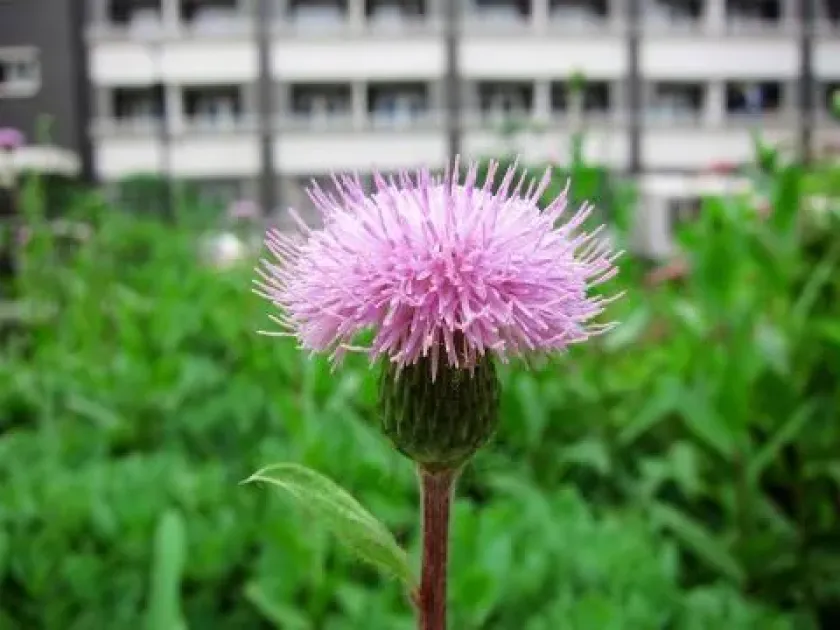
Description
Sowing dates
Cirsium setidens, commonly known as Korean thistle, is primarily sown in the spring when soil temperatures reach 10–12 degrees Celsius. For high-quality yields, seeds should be placed in fertile soil at a depth of 1–2 centimeters, ensuring optimal contact between the seed and the growth medium.
In commercial operations, sowing is conducted in rows with spacing of 40–50 centimeters to allow ample room for the development of the basal leaf rosette. Proper soil preparation, including weed control and the incorporation of organic matter, is essential for establishing a healthy crop from the start.
The seeds have moderate germination energy, and pre-sowing stratification is often employed to improve success rates. Consistent moisture during the early stages of development ensures uniform germination, with seedlings typically emerging within two to three weeks under favorable conditions.
Autumn sowing is feasible in regions with mild winters, though young plants require protection from severe frosts. Farmers are advised to follow a strict crop rotation schedule, avoiding areas where related species have previously been grown to prevent the buildup of specific soil pathogens.
Plant density is adjusted according to the intended harvest purpose: denser plantings are suitable for early leaf harvesting, while more spacing is needed for seed production. Regular monitoring of the field during the seedling stage is critical to ensure successful crop establishment.
Growing requirements
This crop thrives in well-lit areas but can tolerate partial shade without significant loss in product quality. Loamy or sandy soils with a neutral to slightly acidic pH, rich in organic matter, provide the best environment for robust growth and optimal nutrient uptake.
Cirsium setidens is sensitive to moisture levels, requiring consistent irrigation during its active vegetative growth phase to prevent the leaves from becoming tough and fibrous. However, waterlogging must be avoided, as it can quickly lead to root rot and complete crop loss.
The ideal climate for this species is a moderately warm summer with reliable rainfall, which helps maintain the tender texture of the leaves and stems. Temperatures ranging from 15 to 25 degrees Celsius are most favorable for achieving high-quality yields, consistent with its native range.
Mineral nutrition should focus on nitrogen applications during the early vegetative phase to boost leaf growth, followed by phosphorus and potassium to strengthen the plant before floral initiation. Balanced fertilization is key to improving both resistance to environmental stress and overall yield.
The plant shows significant adaptability to various growing environments, making it a viable option for specialized farms. Following established agronomic protocols ensures that the final product meets market standards and culinary requirements for texture and flavor.
Yield
The yield of Cirsium setidens typically ranges from 15 to 25 metric tons per hectare, depending on the intensity of cultivation practices and soil fertility. The most valued parts are the young basal leaves, which are appreciated for their unique aroma and culinary versatility.
The plant forms a robust rosette, and under proper management, multiple harvests per season are possible. The first harvest should occur before the plant begins to bolt, as the emergence of the flower stem significantly reduces the quality and tenderness of the leaf material.
Intensive farming methods, such as drip irrigation and scheduled nutrient supplementation, can increase yields by 20–30% compared to traditional cultivation. Careful timing of the harvest is essential, as the shift into the flowering phase leads to rapid lignification of the tissues.
Post-harvest handling is critical, as fresh leaves are highly perishable and lose moisture quickly. Proper storage, including rapid cooling and high-humidity conditions, is necessary to prevent wilting and maintain the aesthetic and nutritional quality of the produce.
The economic attractiveness of this crop is driven by the growing demand for specialty and healthy vegetables. As consumer interest in diverse plant-based foods increases, farmers are finding new opportunities to add Cirsium setidens to their high-value production cycles.
Main diseases and pests
Cirsium setidens is susceptible to powdery mildew, especially in environments with high humidity and poor air circulation. Prevention strategies include maintaining optimal plant spacing, regular weeding, and ensuring good field drainage to reduce the incidence of fungal outbreaks.
Common pests include aphids and spider mites, which feed on the leaves and cause deformation, ultimately reducing marketability. Early detection through regular field inspections is the best approach to managing these pests before they reach damaging population levels.
Root rot is a major risk in waterlogged soil, creating ideal conditions for pathogenic microorganisms. Utilizing high-quality, disease-free seed stock and practicing a disciplined crop rotation schedule are the primary methods for preventing soil-borne infections.
During dry spells, the crop may be vulnerable to thrips, which can reduce photosynthetic activity and lower overall crop vigor. Using biological control agents and biopesticides is highly recommended to protect the crop while maintaining the chemical-free status of the edible leaves.
A comprehensive integrated pest management (IPM) plan, combining cultural practices with ecologically safe interventions, is the most effective way to safeguard the harvest. This approach minimizes reliance on synthetic pesticides, ensuring a safer and more valuable final product.
Harvesting
The harvest of Cirsium setidens is primarily performed by hand or with specialized small-scale cutting tools to ensure the delicate leaves are not bruised. This labor-intensive process requires careful handling to preserve the integrity of each rosette for the fresh market.
Harvesting is best carried out in the early morning hours, as this ensures the leaves have maximum turgor pressure and will hold up better during transport. After cutting, the leaves are immediately sorted to remove any damaged or discolored material before packaging.
After the primary harvest, the field must be cleared of plant debris to prevent the buildup of pathogens. For plantations intended for multiple cuttings per season, timely weeding and light fertilization are needed to stimulate regrowth and prepare the plants for subsequent harvests.
Proper packaging, using perforated film or ventilated containers, is vital to prevent spoilage and maintain freshness during distribution. Maintaining a cold chain between 2 and 4 degrees Celsius is essential for extending the shelf life of the harvested product.
Organizing a professional harvest and packing workflow is key to success in the specialty produce market. By adhering to strict quality standards and handling protocols, farmers can consistently deliver the high-quality leaves required by the culinary industry.