
Cirsium scariosum
Cirsium scariosum
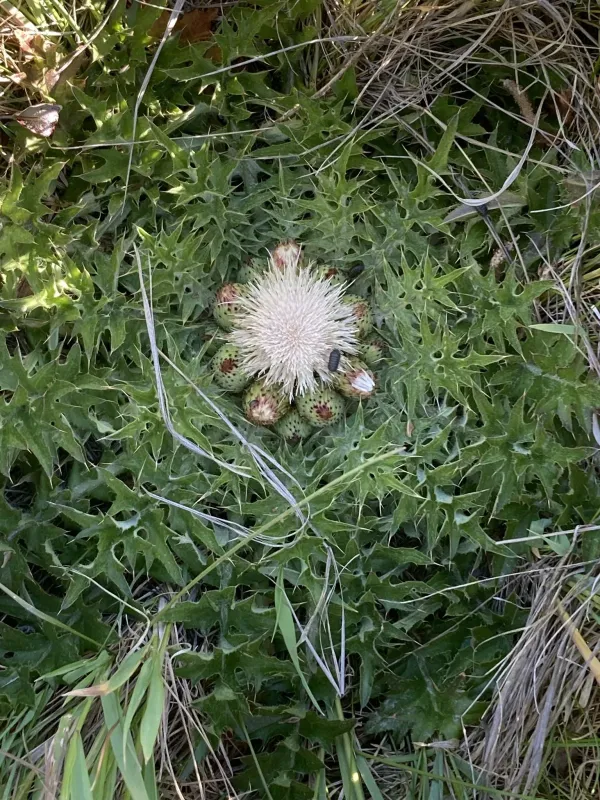
Description
Growing requirements
Cirsium scariosum is a perennial plant belonging to the Asteraceae family. Known commonly as an elk thistle or meadow thistle variant, it is characterized by its robust growth habit and adaptive features that allow it to compete in diverse ecological niches.
The species is native to North America, typically found in moist meadows, riparian zones, and subalpine environments. It thrives in regions with sufficient soil moisture and cooler ambient temperatures during its active growth period.
In terms of soil requirements, Cirsium scariosum prefers rich, well-drained soils. Its ability to extract nutrients efficiently from the soil allows it to maintain a high biomass, which often leads it to become a problematic weed in agricultural settings.
The botanical structure consists of a deep taproot or spreading root system, which acts as an energy reservoir. The leaves are typically serrated and armed with spines, serving as a primary defense mechanism against large herbivores.
While not traditionally cultivated as a crop, the plant plays a role in supporting local insect populations. However, due to its invasive potential in disturbed soils, it is frequently managed by land managers and agriculturalists to protect forage quality.
Main diseases and pests
Pathogenic fungi, particularly rusts, represent a natural threat to Cirsium scariosum populations. These diseases can reduce the plant's vigor by interfering with photosynthesis and nutrient uptake during the prime growing season.
Specific insect pests, including stem-boring weevils and seed-head flies, act as significant biological limiting factors. These insects reduce the reproductive success of the plant by feeding on vital reproductive tissues.
Aphids can also colonize the plant, acting as vectors for various plant viruses. These infections may weaken the thistle, though the plant often remains a hardy and persistent competitor despite these setbacks.
Soil-borne diseases such as root rot can occur in areas with poor drainage, which can cause local dieback. This is particularly noticeable in waterlogged soils where the root system struggles to access oxygen.
Control strategies for this species typically involve a combination of chemical herbicides and mechanical weeding practices designed to weaken the perennial root structure before it reaches its flowering stage.