
Pyrenean thistle
Cirsium pyrenaicum
Description
Growing requirements
The Pyrenean thistle (lat. Cirsium pyrenaicum) is a perennial herbaceous plant belonging to the Asteraceae family. Native to the mountainous regions of Southern and Western Europe, this species has adapted to diverse climatic conditions, thriving particularly in high-altitude meadows and temperate zones.
The plant requires well-lit environments and moderate moisture levels for optimal growth. It is highly resilient, possessing a deep and sturdy root system that allows it to survive seasonal dry spells, making it a robust component of various grassland ecosystems across its natural range.
Soil requirements for Pyrenean thistle focus on good drainage and structural integrity. It performs best in nutrient-rich loams with a neutral to slightly acidic pH. The plant is known for its ability to colonize disturbed soils, which highlights its role in natural erosion control in hilly regions.
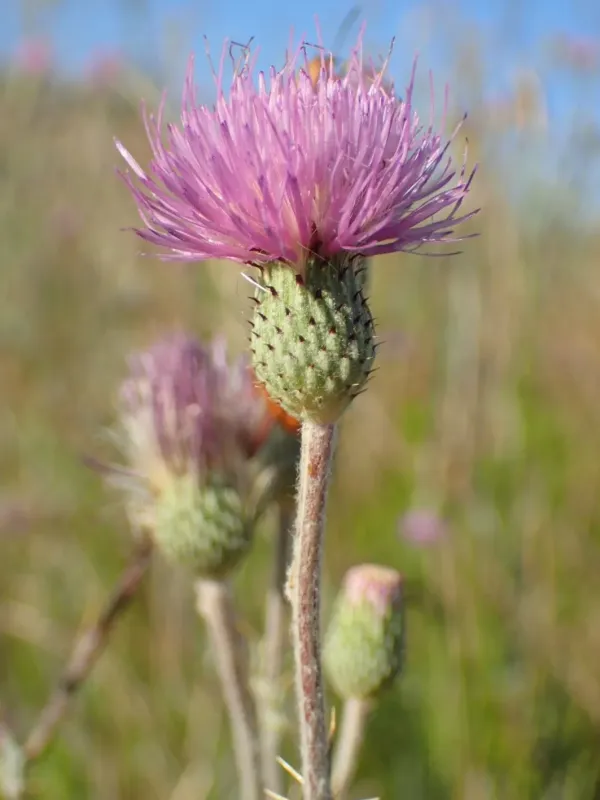
Botanically, the species is characterized by its erect stems, serrated leaves with fine spines, and vibrant purple-pink flower heads. These inflorescences are significant attractors for various pollinator species, including bees and butterflies, contributing to the biodiversity of the area.
In terms of agricultural utility, Cirsium pyrenaicum serves as a valuable nectar source for apiculture and can act as a secondary fodder plant when managed correctly. Its rapid biomass regeneration makes it a viable subject for restoration ecology projects aimed at reclaiming degraded rangelands.
Main diseases and pests
Typical plant health challenges include fungal infections such as rust and powdery mildew, which are more prevalent in humid or poorly ventilated conditions. Effective management requires ensuring sufficient spacing between plants to prevent micro-climate humidity from reaching levels that favor spore germination.
Pest issues often involve aphid infestations and specific weevil species that target the reproductive tissues of the plant. Integrated pest management strategies, emphasizing cultural practices rather than chemical interventions, are recommended to preserve the beneficial insect population associated with the flowering stalks.