
Purple thistle
Cirsium purpuratum
Description
Growing requirements
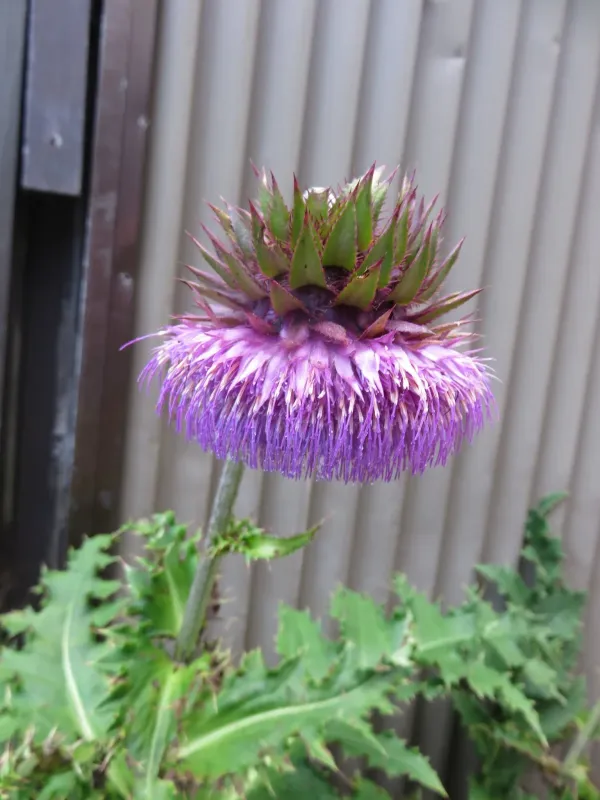
Purple thistle (Cirsium purpuratum) is a herbaceous perennial plant belonging to the Asteraceae family. Native to the mountainous regions of Japan, this species is well-adapted to high-altitude environments. It has gained popularity in global horticulture due to its striking appearance and robust growth habits.
The plant thrives in well-drained, nutrient-rich soils with a neutral pH. It is crucial to ensure that the site for cultivation is not prone to waterlogging, as the roots are highly susceptible to rot. Exposure to direct sunlight for at least six hours a day promotes optimal development and vibrant flower color.
Temperature requirements for Cirsium purpuratum are generally moderate, reflecting its alpine origin. It prefers cool nights and mild days. While it can withstand occasional frost once established, it is recommended to provide mulch or winter protection in colder regions to prevent damage to the crown.
Agrotechnical management involves regular weeding and the occasional application of balanced fertilizers during the spring growth phase. Maintaining soil moisture without creating water-saturated conditions is the primary goal for successful cultivation throughout the summer season.
хозяйственное use is primarily ornamental, as the plant serves as a focal point in wildflower meadows and rock gardens. Its nectar-rich flowers are highly attractive to pollinators, making it an excellent addition to gardens focused on increasing local biodiversity and supporting bee populations.
Main diseases and pests
Aphids represent a primary pest challenge, frequently colonizing the tender undersides of leaves and flower buds. Integrated pest management, including the use of neem oil or natural predator introduction, is highly recommended to protect the integrity of the plant during the flowering stage.
Fungal issues such as powdery mildew are common in humid conditions with poor air movement. Proper plant spacing is essential to ensure adequate airflow, which significantly reduces the probability of infection spreading across the plantation.
Root system damage often occurs due to excessive irrigation or poorly drained substrate. If signs of wilting appear despite adequate surface moisture, an inspection of the root zone is necessary to rule out fungal rot caused by soil saturation.
Weevils can cause significant aesthetic damage by feeding on the foliage. Hand-picking or applying targeted biological control agents is often sufficient to manage populations without the need for broad-spectrum chemical interventions.
Maintaining high hygiene standards in the garden, including the removal of dead plant material at the end of the season, helps prevent the overwintering of pathogens and pests. Proactive monitoring ensures long-term health for the population of purple thistle.