
Pannonian thistle
Cirsium pannonicum
Description
Growing requirements
The Pannonian thistle (Cirsium pannonicum) is a perennial herbaceous plant belonging to the Asteraceae family. Known for its robustness, this species is increasingly recognized for its ecological value in supporting biodiversity and its functional role in agricultural landscapes.
The plant thrives in well-drained, nutrient-rich soils and prefers sunny locations. Its ability to tolerate dry soil conditions makes it a resilient choice for regions experiencing frequent droughts, as its deep root system efficiently accesses water stored in the lower soil profiles.
Optimal cultivation involves selecting sites with a neutral to slightly alkaline pH. Proper soil preparation, including deep tilling to allow root establishment, is essential for maximizing biomass production and ensuring the longevity of the perennial stands.
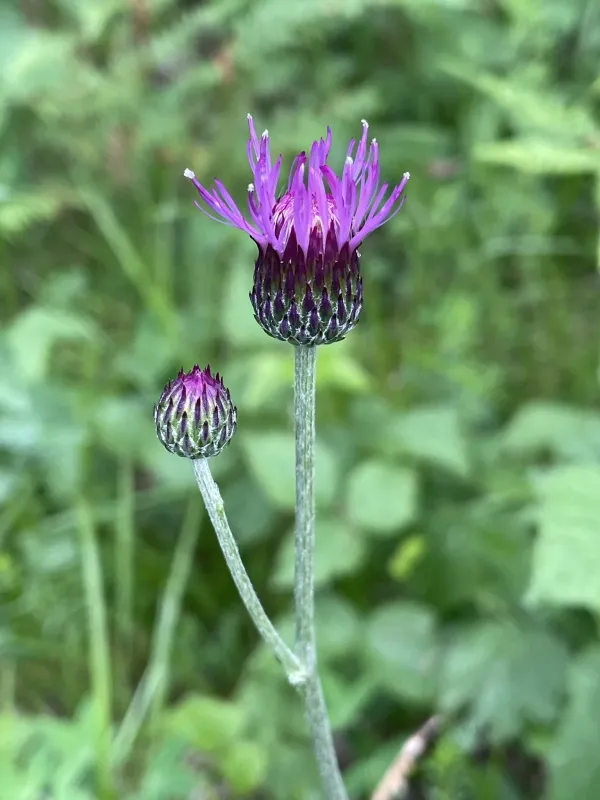
From a botanical perspective, the Pannonian thistle is characterized by its distinct, non-spiny foliage compared to other thistle species, and large, attractive flower heads. These structures are highly specialized to lure diverse pollinators, contributing to the health of the local ecosystem.
Agricultural use is primarily focused on its high nectar potential, making it an excellent crop for apiary support. Additionally, its drought tolerance allows it to maintain green cover throughout the season, protecting the soil from wind erosion in arid areas.
Main diseases and pests
The main pathological threats include fungal infections such as rust, especially in areas with poor airflow. Maintaining wide planting rows and ensuring the field is kept free from excessive weed competition helps promote air circulation and reduces disease incidence significantly.
Common insect pests include various weevils that may feed on the developing buds. To mitigate these threats, integrated pest management practices, such as biological control and timely harvest schedules, are recommended to maintain the productivity of the crop without relying heavily on chemical pesticides.