
Cabbage thistle
Cirsium oleraceum
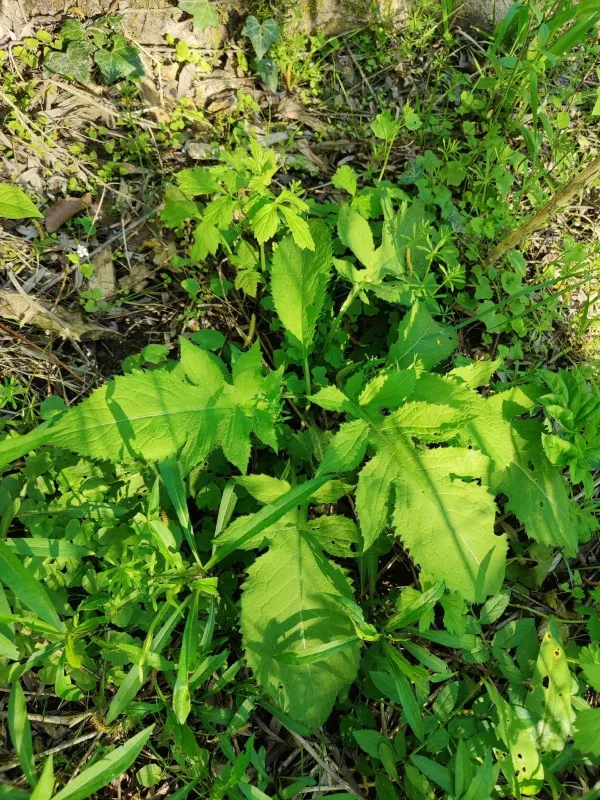
Description
Growing requirements
Cabbage thistle (Cirsium oleraceum) is a perennial herbaceous plant belonging to the Asteraceae family. Unlike many other thistle species known primarily as invasive weeds, this plant is recognized for its role in meadow ecosystems and its moderate forage value for livestock.
The plant is native to Europe and Western Asia. Its natural habitat includes moist meadows, riverbanks, and marshy woodland clearings. It thrives in environments where soil moisture levels remain consistently high throughout the growing season.
Climate requirements for this culture are centered on temperate conditions with sufficient annual precipitation. The plant is cold-hardy, enabling it to survive harsh winters and re-sprout vigorously when temperatures rise in early spring.
Soil preferences involve high-fertility, moisture-retentive soils, such as rich loams or alluvial soils. It performs best in neutral to slightly acidic environments and requires consistent nitrogen availability to support its rapid vertical growth.
Agronomic management relies on controlled mowing and grazing regimes. Proper timing is essential; if the plants are allowed to reach full maturity and lignify, their palatability for livestock decreases significantly compared to the tender rosette or young stem stages.
Yield
The primary agricultural use is as a green fodder source. While not a conventional high-yield crop, in moist meadow conditions, it contributes significantly to the total biomass production, especially during the early summer months.
Yield stability is maintained by proper landscape water management. When managed as part of a mixed forage stand, the cabbage thistle provides a steady, albeit secondary, source of biomass that can be harvested alongside grasses.
Main diseases and pests
Common plant health threats include fungal pathogens such as rust (Puccinia spp.) and powdery mildew. These diseases often emerge in humid conditions and can reduce the nutrient quality of the foliage, making it less attractive to grazing animals.
Pest pressure from aphids and certain leaf-feeding beetles can occur, but these are typically managed by the plant's natural resilience. In most forage settings, biological control and regular cutting are sufficient to keep pest populations at non-economic injury levels.