
Cirsium odontolepis
Cirsium odontolepis
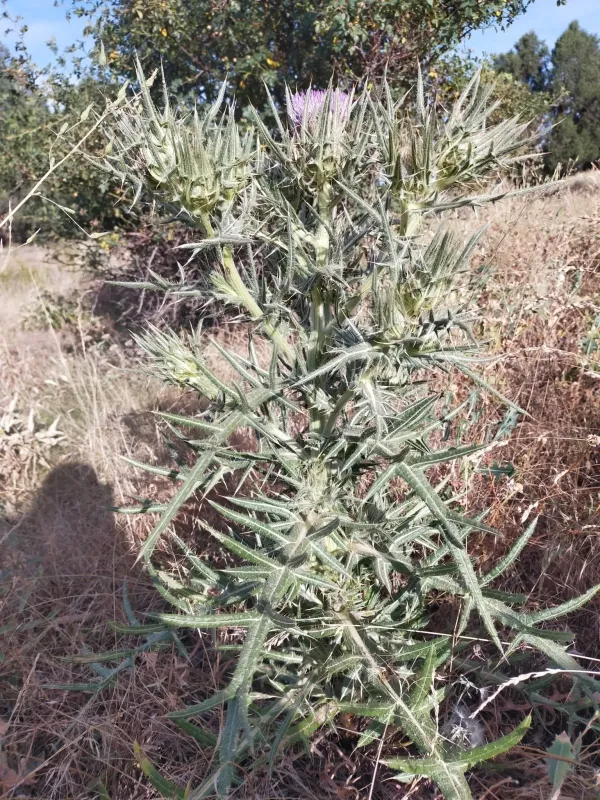
Description
Growing requirements
Cirsium odontolepis is a perennial herbaceous plant belonging to the Asteraceae family. It is recognized primarily for its role as a persistent weed that can significantly impact crop yields if left unmanaged in agricultural environments.
The plant features a robust taproot system, which serves as a nutrient reserve. This physiological trait allows the species to withstand harsh environmental conditions, including prolonged drought and soil compaction.
Regarding climate preferences, the species thrives in temperate zones with moderate rainfall. It requires high levels of solar radiation to reach maturity, which is why it often appears in open fields rather than shaded areas.
Soil requirements are relatively broad; however, the plant shows a distinct preference for nutrient-rich soils with good permeability. It can adapt to varying pH levels, though neutral soils support the most vigorous growth.
Agricultural management of this species is complex due to its resilience. Understanding its life cycle, particularly the rosette stage, is essential for implementing effective control strategies during the early stages of weed emergence.
Main diseases and pests
Common diseases affecting this thistle include rust fungi, which can reduce the vigor of the plant by limiting photosynthetic activity in the leaves.
Insect pests, specifically various weevil species, often inhabit the flowering heads, which serves as a natural, though limited, biological control mechanism.
Herbicidal control is the most frequent method used in modern farming. Systemic products are usually required to ensure the herbicide reaches the roots.
Cultivation practices such as deep tillage help disrupt the root system, although this must be repeated to be truly effective against established perennial patches.
Preventive measures, such as maintaining healthy crop competition and utilizing cover crops, can suppress the development of new seedlings and rhizome expansion.