
Cirsium nipponicum
Cirsium nipponicum
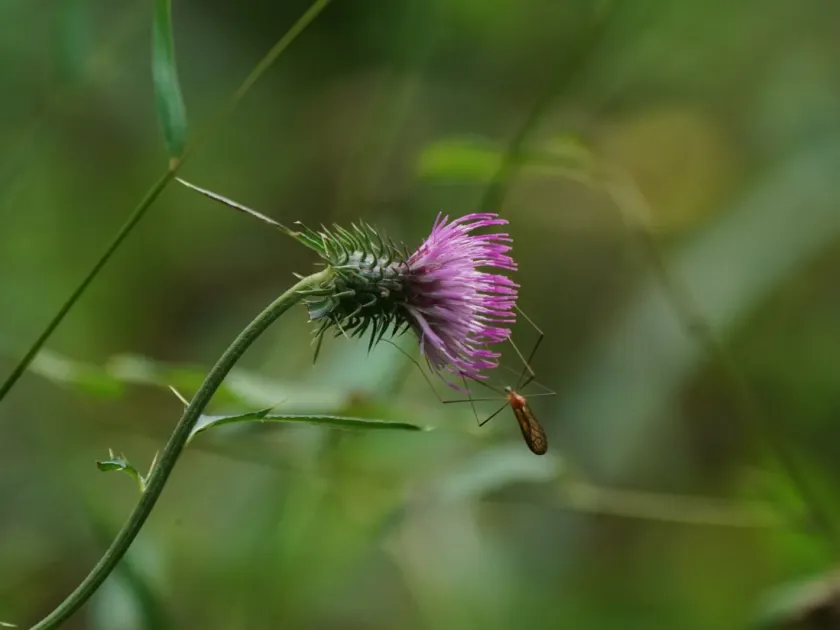
Description
Sowing dates
Cirsium nipponicum is a perennial herb belonging to the Asteraceae family. This species is recognized for its ornamental and potential medicinal properties, requiring specific attention during the establishment phase.
The sowing season typically begins in early spring. It is essential to ensure that soil temperatures are consistently above 10 degrees Celsius for successful germination.
Seeds should be sown in rows with spacing of approximately 50 centimeters. This density allows for proper air circulation and simplifies maintenance during the active growing season.
For uniform germination, seeds should be sown at a shallow depth of about 1 to 2 centimeters and covered with a light, nutrient-rich substrate.
If vegetative propagation is preferred, dividing established rootstocks during late autumn is a viable method to ensure root development before the onset of winter.
Growing requirements
This plant thrives in sunny, well-lit environments. Exposure to direct sunlight is crucial for achieving optimal growth rates and developing a healthy root system.
Well-drained, fertile soil with a neutral pH is ideal. Heavy clay soils should be avoided or amended with organic matter to prevent root rot.
Adequate moisture is required throughout the growing season, but the plant is sensitive to waterlogging. Good drainage systems are essential for long-term survival.
The species demonstrates good cold tolerance once established, making it suitable for temperate regions with distinct seasonal changes.
Regular fertilization with organic compost during the spring boost helps to sustain high productivity levels in the vegetative stage.
Main diseases and pests
Fungal pathogens such as powdery mildew are common in high-humidity conditions. Ensuring proper ventilation between rows is the best preventative strategy.
Insect pests, including aphids and spider mites, can damage tender leaves. Early identification through field scouting is vital for effective management.
Root rot caused by stagnant water is a serious threat. Field irrigation must be carefully managed to maintain the right moisture balance without oversaturating the soil.
Weed control is critical, especially during the seedling stage, to prevent competition for nutrients and space in the early development phase.
Biological control agents are often effective against primary insect pests, making them a preferred option for environmentally responsible farming practices.
Harvesting
The harvesting of aerial parts is best performed during the flowering stage, which ensures the highest concentration of active compounds in the harvested material.
Mechanical harvesting is feasible with appropriate equipment, ensuring that the cut is made at the correct height to allow for future plant regrowth.
Post-harvest handling requires immediate cooling or drying to maintain quality. Avoid leaving the crop in direct sun after cutting to prevent oxidative degradation.
Drying should be conducted in a controlled environment with good airflow, keeping temperatures low to protect the volatile chemical composition of the plant.
Once dried, the product should be stored in cool, dark, and moisture-free conditions to ensure longevity and preserve its functional characteristics.