
Japanese thistle
Cirsium nipponense
Description
Growing requirements
The Japanese thistle (Cirsium nipponense) is a perennial herbaceous plant belonging to the Asteraceae family. Originating from East Asia, this species has adapted to diverse ecological niches, preferring regions with temperate climates and consistent seasonal moisture.
In terms of soil requirements, Cirsium nipponense thrives in well-draining, nutrient-rich soils with a neutral or slightly acidic pH. Poorly aerated or heavy clay soils often lead to root asphyxiation, making soil preparation and structure management essential for successful crop development.
Climate adaptation plays a significant role in the plant's growth cycle, as it requires adequate sunshine to reach its full vegetative potential. While the plant is robust, it prefers sheltered environments that protect it from extreme wind damage, especially during the peak flowering stage.
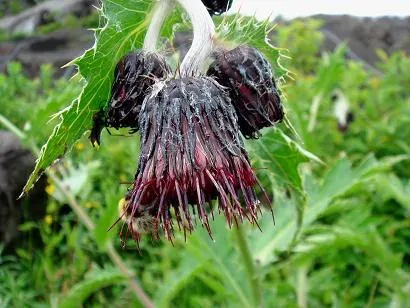
Botanically, the plant is characterized by its deep taproot and a strong basal rosette of leaves during its first year. The subsequent development of tall, sturdy stems topped with composite flower heads makes it a distinctive species within the Cirsium genus.
The primary agricultural use of Japanese thistle is as a high-value honey plant. Its ability to produce nectar throughout the season makes it an ideal crop for apiculture, effectively supporting bee populations and contributing to local ecosystem biodiversity.
Main diseases and pests
The culture is susceptible to various fungal pathogens, specifically rust diseases and powdery mildew, particularly under conditions of high humidity. Proper crop spacing is the primary agricultural control measure used to ensure sufficient airflow and minimize the risk of infection.
Pest management focuses on controlling aphids and specific beetle larvae that target the foliage and reproductive structures of the plant. Regular monitoring of the plantation is vital to prevent significant yield losses, and integrated pest management strategies are advised.