
Montpellier plumeless thistle
Cirsium monspessulanum
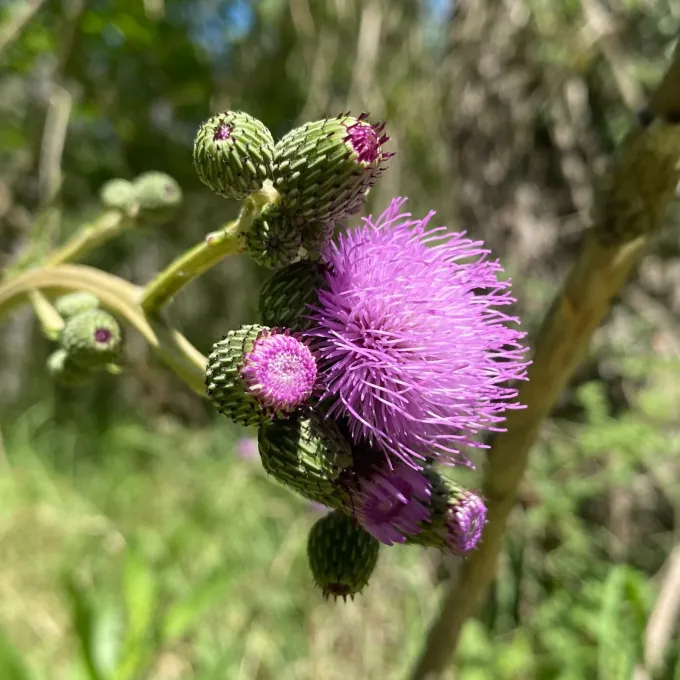
Description
Growing requirements
The Montpellier plumeless thistle (Cirsium monspessulanum) is a perennial herbaceous plant belonging to the Asteraceae family. Native to the Mediterranean region, this species is well-adapted to specific wet habitat conditions, which distinguishes it from many other thistle relatives.
Cultivation of this plant requires attention to moisture levels, as it naturally thrives in damp soils or near water margins. Unlike typical thistles that prefer dry, disturbed land, this species exhibits a preference for consistent soil hydration throughout its vegetative cycle.
The agronomic practices for this crop focus on site selection that mimics its natural environment, ensuring nutrient-rich, humus-heavy soils. The plant responds well to semi-shaded conditions, although full sun exposure is generally preferred for maximizing biomass and flower production.
In terms of agricultural utility, it is valued for its nectar production, supporting local pollinator populations in meadows and rural landscapes. Its inclusion in botanical collections and sustainable landscaping projects highlights its role in maintaining ecosystem balance and floral diversity.
Management of the crop involves monitoring for potential fungal issues that may arise in excessively stagnant conditions. Proper ventilation and soil drainage management are essential to ensure the longevity of the perennial roots and to maintain the overall health of the plant population.