
Mexican thistle
Cirsium mexicanum
Description
Growing requirements
The Mexican thistle (Cirsium mexicanum) is a perennial herbaceous plant belonging to the Asteraceae family. It is predominantly found in the high-altitude regions of Mexico and parts of Central America, thriving in specific ecological niches.
These plants require well-drained soils that are rich in organic matter. They generally prefer habitats that are moist but avoid waterlogged conditions, which are detrimental to the root health of this species. Fertile soil composition significantly influences its overall vigor.
Regarding climate, the species is adapted to temperate high-altitude environments where temperatures remain relatively stable throughout the growing season. Adequate exposure to full sunlight is critical for the plant to successfully complete its reproductive cycle.
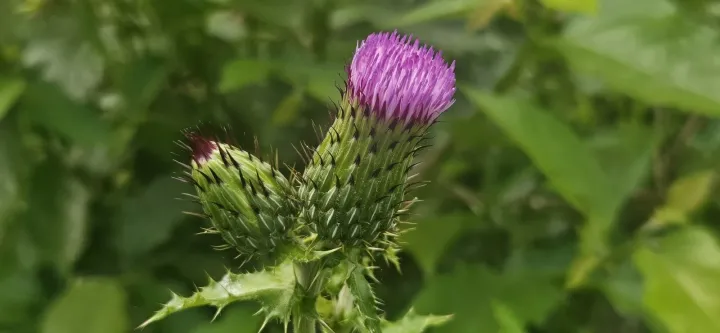
Morphologically, the Mexican thistle displays the classic characteristics of the Cirsium genus, including prickly, lobed leaves and distinctive purple or pink flower heads. Its root system is deep and expansive, allowing it to survive in competitive environments.
Cultivation or natural propagation of this species requires careful consideration of the surrounding flora. As a native species, it functions as an important component of its local ecosystem, providing resources for various pollinators in its home range.
Main diseases and pests
The primary threats to Cirsium mexicanum include various fungal pathogens such as rusts and powdery mildew. These diseases are particularly prevalent during periods of high humidity and poor air circulation around the plants.
Insect pests represent another significant challenge, with various aphids and moth larvae targeting the flower buds and tender foliage. Infestations can lead to reduced seed set, which hinders the long-term sustainability of local populations.
Environmental stress caused by severe weather changes can weaken the plant's natural defenses, making it more susceptible to opportunistic infections. Maintaining soil health is crucial to providing the resilience needed against such threats.
Habitat degradation due to land use changes or excessive livestock grazing poses a major risk. Since the plant is not highly invasive, it struggles to recover from significant physical damage to its base or root crown.
Effective management strategies usually focus on monitoring for early signs of disease and ensuring the habitat remains undisturbed, preserving the balance between the thistle and its natural biological control agents.