
Sea thistle
Cirsium maritimum
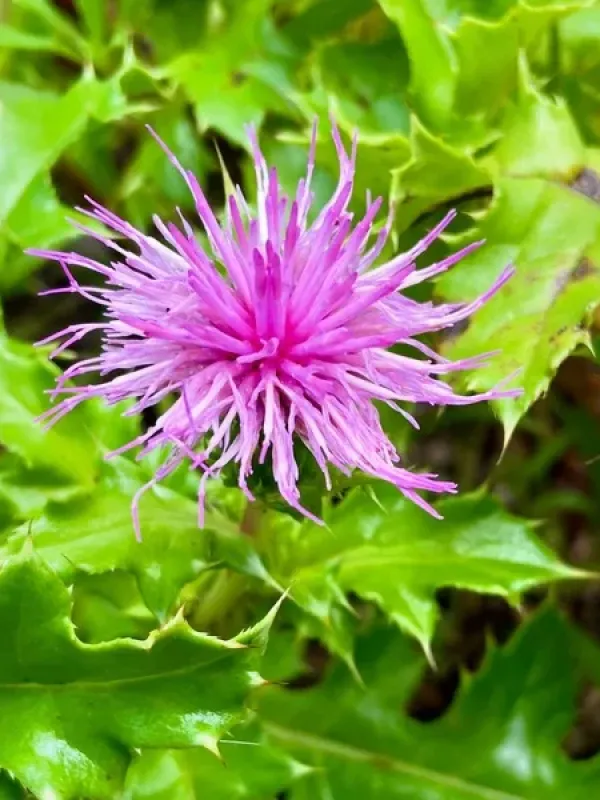
Description
Growing requirements
Sea thistle (Cirsium maritimum) belongs to the Asteraceae family. This perennial plant originates from coastal habitats, where it has evolved to thrive in saline, well-drained, and sandy environmental conditions.
In terms of agricultural cultivation, the plant requires full sun exposure to maintain its vigorous growth pattern. It is highly resistant to strong winds, which makes it a unique candidate for stabilizing sandy soil structures in coastal agricultural zones.
Soil requirements focus on high aeration and moderate nutrient content. While the plant can tolerate low-level salinity, consistent irrigation is necessary during the early stages of establishment to ensure deep root penetration.
The agronomic management of Sea thistle involves maintaining a specific planting density to avoid excessive humidity around the foliage. Proper nitrogen management is crucial, as too much fertilizer can negatively impact the plant's structural integrity.
Seasonal maintenance requires monitoring the moisture levels of the topsoil, as prolonged drought can hinder flowering. Regular soil testing helps in adjusting the micro-nutrient profile to sustain long-term cultivation cycles.
Main diseases and pests
The primary threats include fungal infections like powdery mildew, which thrive in stagnant air conditions. Improving field ventilation and adhering to recommended spacing are key preventive measures.
Pests such as aphids and specialized coleoptera larvae can cause damage to the buds and leaves. Integrated pest management, including regular crop scouting and the use of natural predators, is the most sustainable approach to protection.